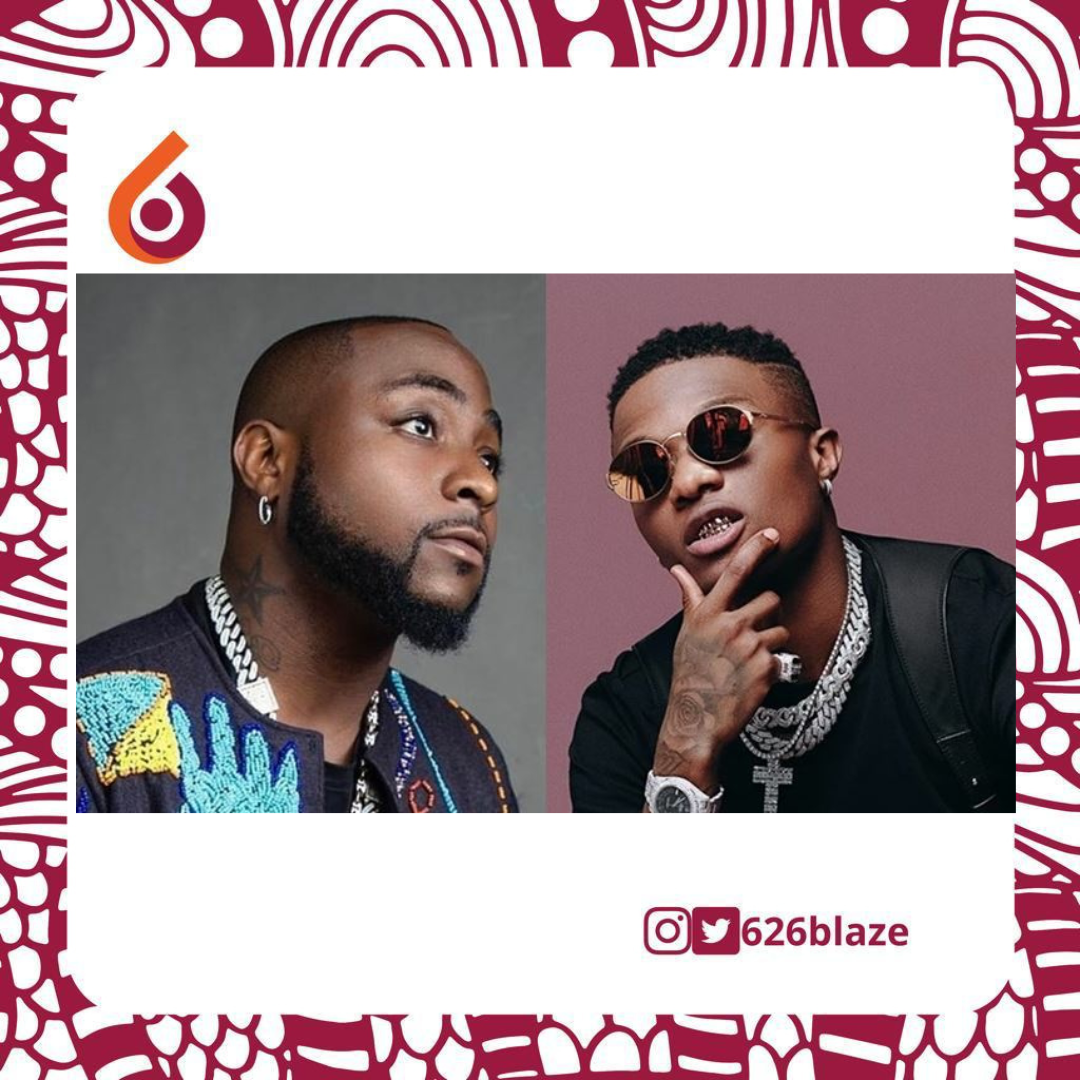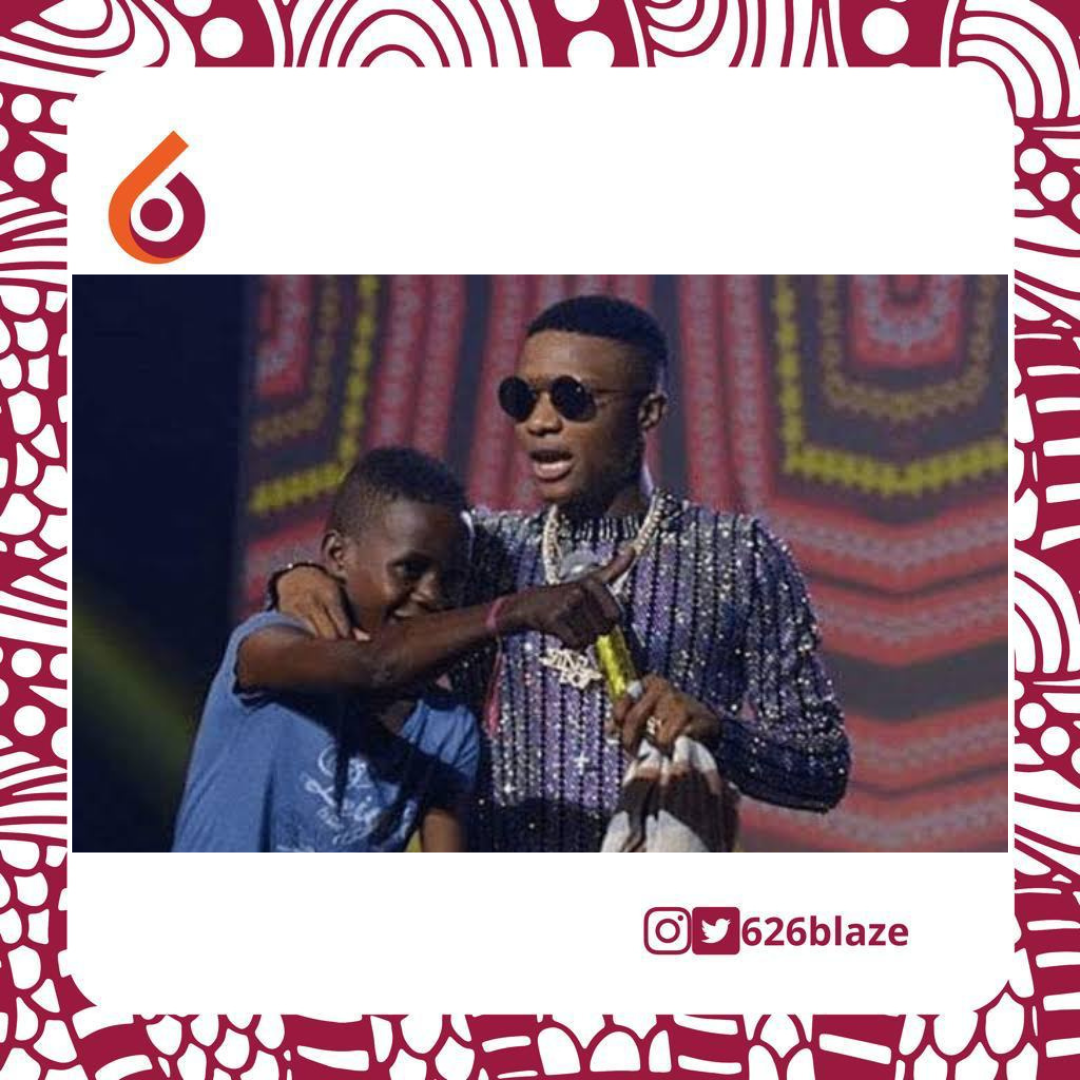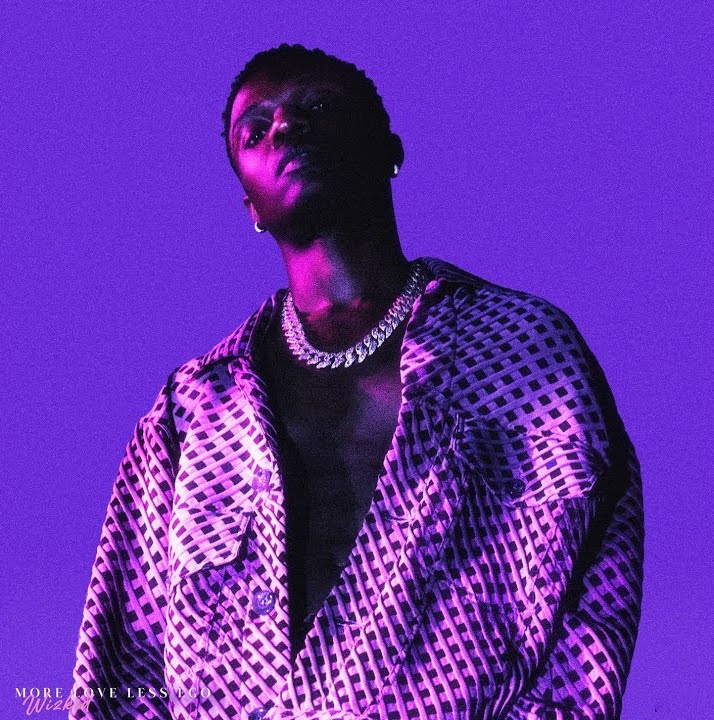
No wonder Wizkid dey always avoid Davido, Baba no fit forget wetin OBO do am.
This incident happened far back as 2012.
So for you guys, here is the complete gist.
Although Davido may claim to be Wizkid’s “brother” and even deny that a conflict is developing between the two artists, insider sources indicate such is not the case.
Before Davido’s meteoric rise to fame, he and Wizkid had never met, but that soon changed as Davido also became well-known and they were able to connect on a friendly level until sometime in May, when the amicable connection soured.
Wizkid apparently wasn’t having a great time while chilling at a hotel somewhere on the Island so he decided to call his friend, Davido, who at the time was hanging out with five other friends of his, according to an insider who is familiar with the pair and the origin of their no-love-lost relationship. The Omo Baba Olowo then gave his assistant the order to go pick up Wizkid from a hotel located behind the 1004 building on VI.
Before moving the celebration to Movida on Idowu Taylor, VI, Wizkid quickly joined Davido and his group of friends at a club in the civic center where they had a few drinks.
While they were there, Wizkid had one too many drinks for the evening and Davido ordered some bottles of Hennessey for himself and two new friends who had joined them. As they drank, Wizkid grew tipsy and weak.
He was taken outside to Davido’s car, where he allegedly puked, right away. While abandoning his friend and coworker, Davido was nowhere to be found.
As Davido had vanished into thin air and was under pressure to pay the bills, the bartenders eventually produced a bill for about N500,000. Davido’s assistant then took the bartenders to Wizkid’s house, where he was compelled to write them a check to cover their unpaid expenses.
Their relationship suffered as a result of this one-off action because Wizkid felt betrayed by Davido. Following the painful dissolution of Mo’Hits, their relationship had already been put to the test because both artists’ allegiances were split between Don Jazzy and D’banj.
But it was when Davido was sending out invitations to guests for the launch of his O.B.O Album and he didn’t send any to Wizkid that would ultimately prove to be the straw that broke the camel’s back. Additionally, to many people’s chagrin at the NEA two weeks ago in New York, Davido and his entourage allegedly sauntered out on a Wizkid performance.
Is it not clear that there is a problem between these two great stars after these occurrences, Davido’s denial, and Wizkid’s blatant silence in the face of all the “fighting” rumors? Could this be the time, from Wizkid’s perspective, when “quiet is golden”? Only time will tell.
This Day is the source of this article.
Will Wizkid ever be able to forgive Davido for what he did to him?
Wizkid, a popular musician from Nigeria, smashed a record with his beloved album “Made In Lagos.”
Made in Lagos has received more than 500 million streams as of today on the international music service Spotify.
The fourth studio album from Wizkid is called Made in Lagos. It was released by RCA Records and Starboy Entertainment on October 30th, 2020. The album’s guest performers included Burna Boy, Skepta, H.E.R., Ella Mai, Tay Iwar, Projexx, Tems, Damian Marley, and Terri. P2J served as the album’s executive producer.
On April 23, 2006, Daniel Ek and Martin Lorentzon established Spotify, a privately held Swedish supplier of media services including audio streaming. As of June 2022, it had over 433 million monthly active users, including 188 million paid members, making it one of the biggest music streaming service providers.
Prior to 2019, the knighting of a legendary album took place every second to every third year. This only made sense since there weren’t many albums released, which meant there weren’t many excellent albums, and because the rate at which artists released albums was inadequate in and of itself. Davido, who only put out two albums during the review period but accomplished countless feats to become an all-time great, is a clear example of this. Having a strong discography was only a bonus in this sector, which was mostly a singles market.
Although there were iconic albums that gave rise to the period between 2012 and 2014, such as Olamide’s trifecta of YBNL, Baddest Guy Ever Liveth, and Street OT (all albums won in the Album Of The Year category at the Headies.) In 2016, Simi released Simisola, and in 2017, Kizz Daniel released New Era. However, it wasn’t until 2018 that multiple albums achieved notable success in a single year. Both Outside by Burna Boy and About 30 by Adekunle Gold were commercially and critically successful songs. Particularly Burna’s Outside, which eventually led to his ascent to the pinnacle of the mainstream.
The enormous popularity of African Giant and Fireboy DML’s Laughter, Tears & Goosebumps will intensify the tide the next year. The latter was more of an unparalleled mainstream hit in the business, but the former was a significant record trigger point in the ‘Afrobeats To The World’ movement. We hadn’t experienced this level of popularity on a first album since Wizkid’s Superstar in 2011.
The biggest winner at the 14th annual Headies was Fireboy, who took 5 prizes, including Album Of The Year, Best R&B Album, Best R&B Single, and Best Pop Album.
Before starting to prepare themselves for their own individual projects, it was almost as if every artist paid close attention to the rebellious-esque popularity of Fireboy’s debut album and its influence on the soundscape. It’s not unrealistic to believe that even artists who hadn’t planned to release an album that year chose to do so as time went on given the enormous increase in album releases that occurred in 2020. The year 2020 gave us a ton of timeless and soon-to-be timeless songs, including Made In Lagos by Wizkid, Carpe Diem by Olamide, Twice As Tall by Burna Boy, Apollo by Fireboy DML, Boo Of The Booless by Chike, etc.
Additionally, EPs had a tremendous year. Omah Lay had a record-setting breakthrough year thanks to two successful EPs that yielded numerous hit songs. Even though practically every song on Get Layd was a successful single, What Have We Done gave rise to the artist’s biggest solo hit to date, Godly, which came from that album. Bella Schmurda debuted with the very energizing High Tension, following a breakthrough Olamide co-sign in Vision 2020, while Tems also released a strong breakout EP in For Broken Ears.
It was safe to state that the market was back to being an album market at the end of 2020. Moving forward to the third quarter of 2022, we are experiencing a year that is equally crowded and inundated as 2020 in terms of releases. It certainly seem possible that we could witness a flooding album year every two years as a trend.
In a span of six weeks in 2020, the three most popular and influential artists of the previous ten years released their albums.
Nigerian A-list and B-list musicians appear to have an odd preoccupation with the third and fourth quarters of the year. In 2020, the second half of the year saw the publication of 70% of the year’s new albums, while the last quarter saw virtually weekly album releases. For instance, in the week that followed the release of Burna Boy’s Twice As Tall, Cuppy’s debut album Original Copy and Adekunle Gold’s Afro-Pop Vol. 1 were both released on the same day, immediately following the release of Fireboy DML’s Apollo the day before.
Olamide’s Carpe Diem arrived just three weeks before Made In Lagos by Wizkid, Davido’s A Better Time, and Wizkid in the span of two weeks. In actuality, had it not been for the #EndSars protest and internet campaigns that paralyzed the business, the time between CD and MIL would have been shorter. Although their records were released in a short period of time, these three performers were unquestionably the most successful trio of the previous ten years.
In any sector, having a crowded album culture is not ideal. Projects require time and breathing room to reach their full potential, allowing both analysts and non-specialists to assess the project’s true potential for success. The market is currently being oversaturated with projects, which is preventing the one released the week prior from having a chance to establish itself. We have had the same barrage of back-to-back album releases in 2022—since July, to be exact.
Boy Alone, Playboy, The Guy, Bad, Love Damini, The Brother’s Keeper are all albums that were released since 1997 at a period with inadequate breathing room. The longest amount of time between albums was two weeks, and the fact that the current generation struggles with short attention spans and that record rotation is often brisk doesn’t help.
Even performers with respectable fan bases, such as Adekunle Gold, Falz, and Simi, have received lukewarm reviews for albums they released earlier in the year. Talk about breakout performers that put out great initial EPs but never had the chance to fully transform into popular stardom. Only musicians with contemporary momentum have survived in this competitive field.
Two new musicians signed by Mavins in 2022 were Bayanni (on the left) and Boy Spyce (on the right). Despite making outstanding EP debuts, neither project was able to establish a solid staple in the crowded mainstream.
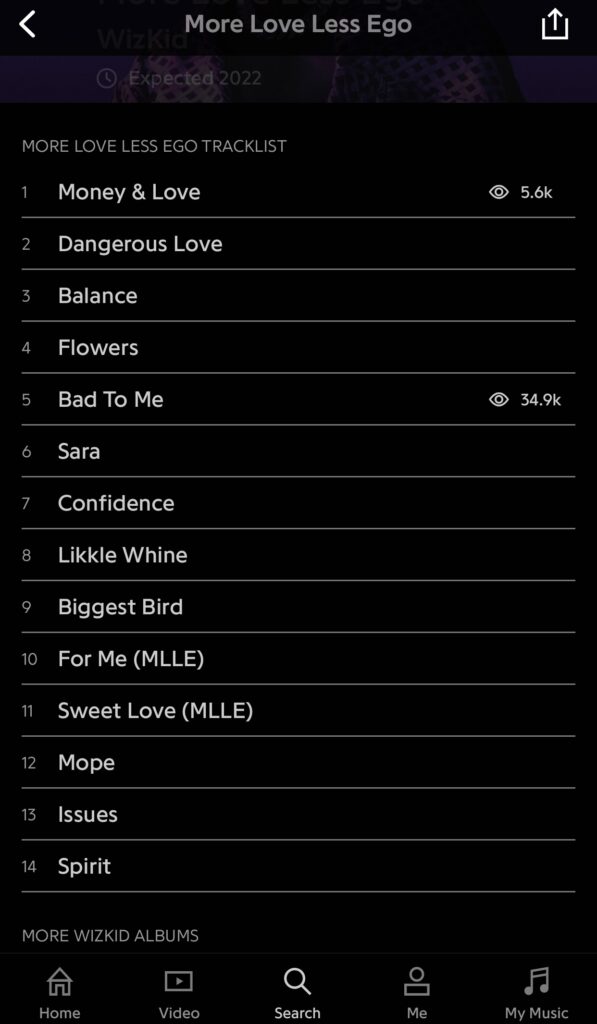
Wizkid’s More Love, Less Ego is rumored to be set for release in October. Next month also sees the release of Blaqbonez’s Young Preacher and Ayra Starr’s 19 & Dangerous Deluxe Edition. This week will see the arrival of Ckay’s Sad Romance, and there won’t be many weeks between that release and the anticipated influx that will follow. Since a number of musicians, including Davido, Runtown, Bella Schmurda, Show Dem Camp, Zinoleesky, Bad Boy Timz, Lojay, and a host of others, will release albums before the year is up, we can be sure that November and December will be busy as well.
We must learn from other, more advanced businesses and refrain from releasing all of our important albums at once in the second half of the year. In order to maximize each album’s potential and ensure that it achieves its full potential, mainstream musicians should be more willing to release albums in Q1 and Q2. Great albums will continue to slip under the radar until that time, while a select few unlucky ones steal the show. Both audiences and artists profit from an album release schedule that is more balanced and healthy.
Afrobeats sensation Wizkid will be the featured performer at another amazing international concert on November 16 at New York City’s renowned Madison Square Garden.
The talented singer takes the stage and joins Burna Boy as the only African performers to offer a memorable performance at the MSG Arena in New York, which has a capacity of 20,789 spectators.
On Friday, Wizkid made the announcement via his Twitter account, confirming the concert date and the 30 September 2022 start date for ticket sales.
Ahmed Ololade Asake, better known by his stage name Asake, a rising celebrity in Nigeria, has discussed how Wizkid was an inspiration to him when he was a young musician there.
The Internet has been flooded with an old video of Asake talking about the renowned musician Wizkid.
The rapidly rising performer, “Mr. Money With The Vibes,” discussed the musicians he admired after the publication of his highly anticipated debut album.
Asake said in the interview that Wizkid is the only performer he admires, and no one else.
According to him “In Nigeria I Look Up To Wizkid, Just Wizkid”
Wizkid, a multi-platinum selling and Grammy Award-winning sensation, would do a live performance unlike any other at The Roundhouse in London and would be streamable on Apple Music in over 165 countries.
On September 27, 2022, a live recording of this historic concert would be made. Big Wiz is rumored to sing brand-new songs from his upcoming album, “More Love, Less Ego.”
The latest performer on Apple Music Live, the live concert series that gives the biggest names in music a platform to engage with audiences around the world, will be Wizkid. Apple Music Live, which was introduced this spring, has previously included only live streams of concerts by international superstars Harry Styles, Lil Durk, Mary J. Blige, and Luke Combs.
Wizkid disclosed: “Apple Music has always been a supporter of my career and a major tool in connecting me with my fans.
Wizkid
Collaborating with them on something like this is special. I’m excited to debut new music from my forthcoming album ‘More Love, Less Ego’ and share my Apple Music Live show with fans across the world.”
Wizkid’s much-anticipated new single, “Bad To Me,” was released earlier this month via Starboy/Sony Music International/RCA Records.
The song, which was created by Wizkid’s longtime producer P2J (also known for his work with Beyoncé, Doja Cat, and Burna Boy), is a statement of lust in its purest form, with sensual sounds over a pounding beat that only heightens the tension.
I just hope that Asake won’t start thinking that he is now extremely big to start tackling Wizkid because of all the hailing.
I’m really happy Olamide is with him though, because he’ll keep him in line and make sure he doesn’t stray as even he wouldn’t dare choose a date that would conflict with the Wizkid Show date.
Asake yesterday announced his concert, which will take place in December 2022, but he hasn’t yet revealed the precise date.
Unfortunately, many of his followers have been pressuring him to schedule his show for the same day that Wizkid will be hosting his own in an effort to “prove to him who the real boss is.”
As Big Wiz’s personal DJ, DJ Tunez, revealed the name of his upcoming single, it appears that he still has a lot to offer in 2022.
It has been revealed by DJ Tunez in a recent post made on his social media platform today, Monday, September 19, 2022, that Wizkid will release a new song after the release of “Bad To Me.”
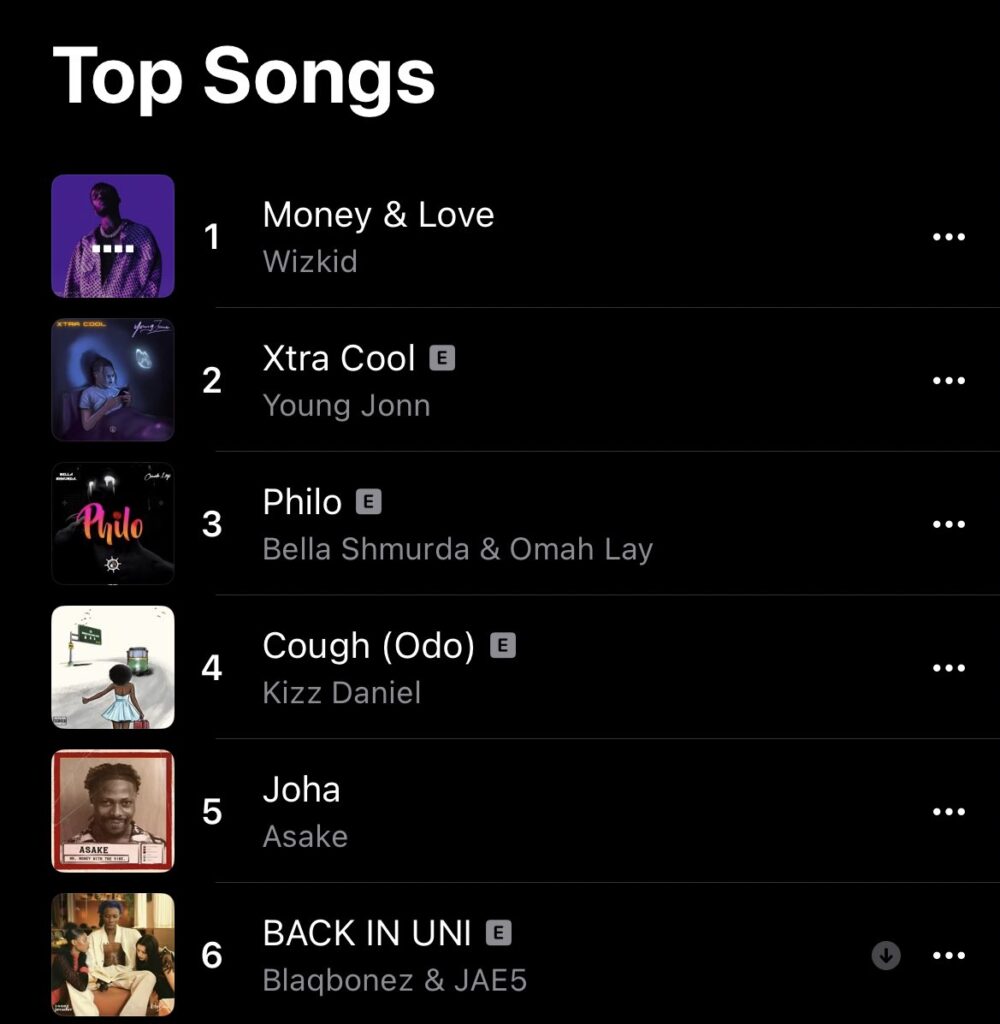
Big Wiz’s upcoming song will be called “Money & Love,” according to DJ Tunez. Although the official release date has not yet been determined, fans are ecstatic about the news.
Wizkid will release a new song following the release of “Bad To Me,” according to a recent post made by DJ Tunez on his social media platform today, Monday, September 19, 2022.
According to DJ Tunez, Big Wiz’s future song will be titled “Money & Love.” Fans are overjoyed by the news even if the precise release date is yet unknown.
Since the turn of the new decade, however, there has been a manic insurgence of albums and the industry has once again returned to being an album market, since the eras of CD’s and mobile Mp3 players. This contrasts with the previous decade where there were sparse releases of albums from A-list artists and premier labels. Now that music is more widely available because to DSPs with millions of tracks in their collections, we are in the era of streaming.
Additionally, social media has encouraged debate and constant comparison regarding albums and their inherent value. Unfortunately, a significant portion of this discussion is driven by personal bias and non-objective opinions; as a result, the arguments made are barely persuasive. This simply highlights how critical it is to identify the criteria and measurements that constitute a great record.
Let’s first bust some myths about what constitutes a great record before finding the important measurements. Some people fervently believe that an album’s brilliance lies in its capacity to deliver hits that would rule the charts. Some believe that exceptional albums receive the most playlists and stream traffic. And for some people, it’s the range of sounds and auditory diversity included in the body of work. All of these are reasonable justifications for what a great album may accomplish, but they are not the only ones. The music itself still has grandeur.
The art of creating a great album is not only lost on fans, but also on some of our A-list artists. So the question of what makes a great album arises once more.
There are five key metrics that an album must meet before it can be considered an overall great project, and they are as follows:
Sonic cohesion.
Unharried transitions.
Expansive & pristine production.
Excellent songwriting.
Topical progression/optimal track sequencing.
To help readers relate, we’d be breaking down each point individually with real-world examples from well-known albums.
Sonic cohesion
An album should feature tracks that sound like they were made from the same sonic material and have a common theme in their production and vocals. By encouraging a sense of unity, an album with strong sound cohesiveness helps to invigorate the experience and make the project more wholesome. Great musicians are aware of the importance of album coherence, which is why some of them choose to have one or two producers who share similar viewpoints produce the entire project.
Pheelz and Type A on Fireboy DML’s Apollo, London and Andrebeatz on Rema’s Rave & Roses and Ayra Starr’s 19 & Dangerous, Kukbeats on Ruger’s EPs, and most recently Magicsticks on Asake’s Mr. Money With The Vibe are some examples. By employing specific concepts in the song production, such as using common riffs, chords, and percussions across the board, the aural coherence is achieved while ensuring that each song has its own unique sound and feels like a cohesive whole with the other songs.
Even with many producers working on the project, excellent sonic cohesiveness is still possible. Omah Lay’s Boy Alone, one of the best pop albums released this year and with excellent sound cohesiveness, is a wonderful example. Despite the project having more than ten producers, the sound cohesion is still strong, which is a credit to the project’s A&R team’s efforts as well as Omah Lay’s vision.
Boy Alone production credits, via the artist’s Twitter.
Unharried Transitions
On an album, it is crucial that the transitions between songs don’t sound hurried, forced, or harried. Why? When the transition is unpleasant, it detracts from the whole experience since it serves as a reminder that a change has been made and a new music is now playing. The best albums have transitions that are so smooth that the listener is so engrossed in the satisfying experience that it nearly doesn’t register when a song changes.
On Rema’s Rave & Roses, the transition from track 1 (Divine) to track 2 (Hold Me) is one of the best I’ve heard on a Nigerian album this year. The varied instrumentals in Divine’s final few seconds make it seem like a scene from a movie, and they seamlessly transition into Hold Me’s first few beats such that the change is barely audible. This album does have some flaws, but when it comes to transitions and even sonic cohesiveness, it really shines.
London oversaw the production of Rave & Roses and is one of the most talented producers in the current generation.
Expansive & Pristine Production
I mentioned earlier that some musicians choose one or two producers solely to guarantee the coherence of the album. On the other end of the decision-making spectrum, some musicians choose a variety of producers to guarantee a vast and flawless production. Utilizing multiple producers would encourage variety and diversity in sounds, which would help make the overall experience more enjoyable as opposed to being monotonous. It only makes sense because different producers have different strengths.
It is in fact a very fine line to walk because a diversity overdose could damage the album’s cohesiveness. Playboy by Fireboy DML is an album that does admirably well in this regard. Playboy aims to be a diverse showcase of sounds, which worked well in enhancing the album’s quality. This is in contrast to his previous albums, which had fewer producers and were more sonically cohesive as a result. Although it was not the most well-organized effort, neither the songs nor the transitions had the impression of being rushed.
Playboy had a large-scale production that aided its diversity theme, and like Boy Alone, it was the creation of many producers. Despite not being as unified as Omah Lay’s effort, it had tremendous vast production.
Excellent songwriting
Simply simply, good songwriting and solid execution are required for an album to be great. It doesn’t have to be the most complex and original writing; it only needs to be good enough for the songs and relevant to the genre. For instance, the most profoundly philosophical lyrics shouldn’t be used in a pop song. It is first and foremost a feel-good genre that should be groovy and entertaining. No matter how impressive the songwriting, it doesn’t work for it if it would hinder that.
Hip-Hop, of course, should have a more impressive songwriting structure overall because the beauty lies in the bars, punchlines, double/triple entendres, comical analogies, tight rhyme schemes, and so on and so forth. The R&B genre could benefit from more empirical songwriting because its core is primarily related to love stories. Songs of the same genre shouldn’t be approached in flows and rhymes in the same way; instead, great songwriting should be layered.
In terms of sheer technicality, Boy Alone and Bnxn’s Bad Since ’97 boasts some of the year’s most brilliant songs. The style of Fireboy DML in Playboy is more straightforward, yet it is very profound and features emotional and precise rhyme schemes. Although not very innovative, Asake’s MMWTV features some outstanding songwriting that successfully carries out its intended purpose.
Bnxn is one of the top songwriters among the current generation of performers, right up there with Omah Lay and Fireboy.
Great music ultimately aims to make listeners feel good because to its pleasing harmonies. Great songwriting with poor sonics and melodies would always lose out against simple songwriting with excellent sonics and melodies. Don’t get me wrong, amazing songwriting can be found on some of the best albums, and every artist should want to achieve that. However, such writing is useless if it cannot be used in relation to the music or if it takes precedence over other, more important matters.
Topical Advancement/Track Sequencing at its Best
First and foremost, what exactly is topical progression? It’s simply an album’s inherent quality to have a track-by-track progression that makes sense topically and isn’t scatterbrained. It doesn’t make sense, for example, for an album opener to have themes about the artist defying all odds and coming out strong, and then in the second track, they’re already talking about cowering under pressure.
Not every album will provide a straight-forward, linear narrative like a book. Some albums have so many facets and layers that several interpretations and stories can be derived from them. While others only have a hazy development of subjects and don’t actually attempt to tell a tale at all. Whatever the situation, the topical progression should be logical and seamless. This is when the subsequent, concurrent point of ideal track sequencing enters the picture.
The order of the songs on a great album is ideal, with the topics complementing one another both sonically and thematically from the first song to the last. This is one of the key differences between an album and a mixtape or playlist, which are typically essentially compilations of songs with no real connection to one another. When played alongside the rest of the album, pre-released singles from a fantastic album make even more sense because of the excellent track sequencing.
Albums that successfully meet the aforementioned criteria are immediately regarded as classics. While some albums gradually acquire their classic status as a result of both their endurance and innate greatness. However, it is a reality that an album that checks off all the necessary criteria encourages its longevity and replay value because it delivers an excellent listening experience at an exceptional value.
Made In Lagos achieved gold status in the US last month. It is the first album to accomplish this accomplishment by an African artist.
Some albums have earned the title of “classics” throughout time due to their influence. Made In Lagos by Wizkid is the classic illustration. The album is excellent and has aged well, but it isn’t quite of the “classic on arrival” caliber. The making of this claim does not negate the album’s deserving classic status. It simply implies that today’s standards for what constitutes a classic album are significantly more complex. As is practically any discussion of what makes a great album.