Afrobeats sensation Wizkid will be the featured performer at another amazing international concert on November 16 at New York City’s renowned Madison Square Garden.
The talented singer takes the stage and joins Burna Boy as the only African performers to offer a memorable performance at the MSG Arena in New York, which has a capacity of 20,789 spectators.
On Friday, Wizkid made the announcement via his Twitter account, confirming the concert date and the 30 September 2022 start date for ticket sales.
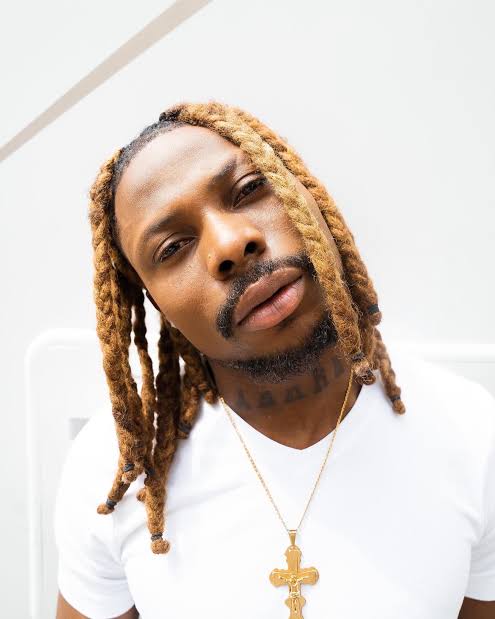
Ahmed Ololade Asake, better known by his stage name Asake, a rising celebrity in Nigeria, has discussed how Wizkid was an inspiration to him when he was a young musician there.
The Internet has been flooded with an old video of Asake talking about the renowned musician Wizkid.
The rapidly rising performer, “Mr. Money With The Vibes,” discussed the musicians he admired after the publication of his highly anticipated debut album.
Asake said in the interview that Wizkid is the only performer he admires, and no one else.
According to him “In Nigeria I Look Up To Wizkid, Just Wizkid”
Wizkid, a multi-platinum selling and Grammy Award-winning sensation, would do a live performance unlike any other at The Roundhouse in London and would be streamable on Apple Music in over 165 countries.
On September 27, 2022, a live recording of this historic concert would be made. Big Wiz is rumored to sing brand-new songs from his upcoming album, “More Love, Less Ego.”
The latest performer on Apple Music Live, the live concert series that gives the biggest names in music a platform to engage with audiences around the world, will be Wizkid. Apple Music Live, which was introduced this spring, has previously included only live streams of concerts by international superstars Harry Styles, Lil Durk, Mary J. Blige, and Luke Combs.
Wizkid disclosed: “Apple Music has always been a supporter of my career and a major tool in connecting me with my fans.
Wizkid
Collaborating with them on something like this is special. I’m excited to debut new music from my forthcoming album ‘More Love, Less Ego’ and share my Apple Music Live show with fans across the world.”
Wizkid’s much-anticipated new single, “Bad To Me,” was released earlier this month via Starboy/Sony Music International/RCA Records.
The song, which was created by Wizkid’s longtime producer P2J (also known for his work with Beyoncé, Doja Cat, and Burna Boy), is a statement of lust in its purest form, with sensual sounds over a pounding beat that only heightens the tension.
I just hope that Asake won’t start thinking that he is now extremely big to start tackling Wizkid because of all the hailing.
I’m really happy Olamide is with him though, because he’ll keep him in line and make sure he doesn’t stray as even he wouldn’t dare choose a date that would conflict with the Wizkid Show date.
Asake yesterday announced his concert, which will take place in December 2022, but he hasn’t yet revealed the precise date.
Unfortunately, many of his followers have been pressuring him to schedule his show for the same day that Wizkid will be hosting his own in an effort to “prove to him who the real boss is.”
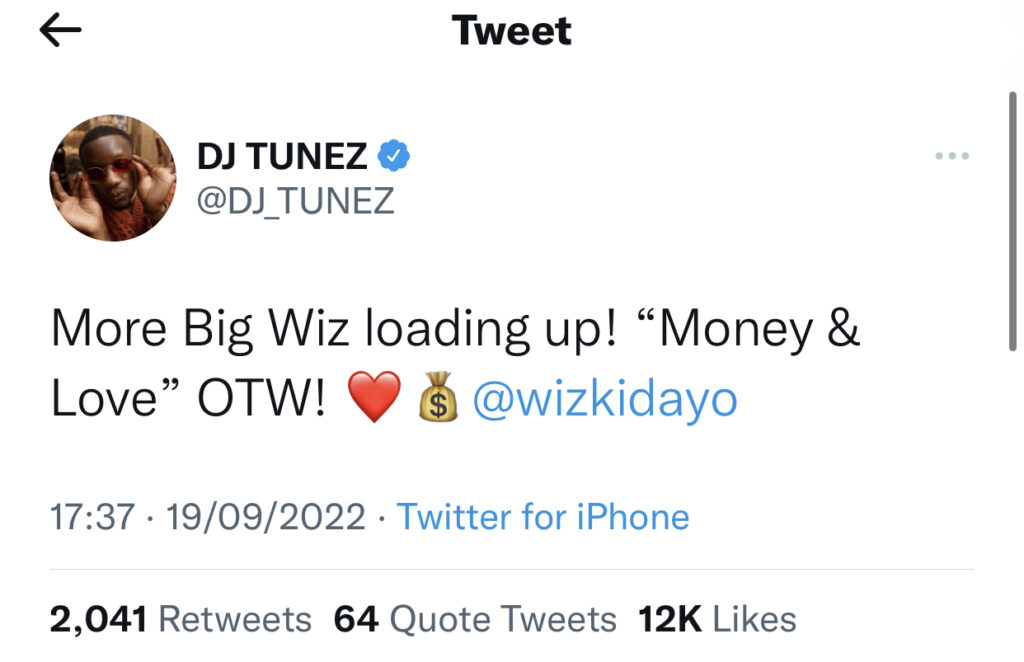
As Big Wiz’s personal DJ, DJ Tunez, revealed the name of his upcoming single, it appears that he still has a lot to offer in 2022.
It has been revealed by DJ Tunez in a recent post made on his social media platform today, Monday, September 19, 2022, that Wizkid will release a new song after the release of “Bad To Me.”
Big Wiz’s upcoming song will be called “Money & Love,” according to DJ Tunez. Although the official release date has not yet been determined, fans are ecstatic about the news.
Wizkid will release a new song following the release of “Bad To Me,” according to a recent post made by DJ Tunez on his social media platform today, Monday, September 19, 2022.
According to DJ Tunez, Big Wiz’s future song will be titled “Money & Love.” Fans are overjoyed by the news even if the precise release date is yet unknown.
Since the turn of the new decade, however, there has been a manic insurgence of albums and the industry has once again returned to being an album market, since the eras of CD’s and mobile Mp3 players. This contrasts with the previous decade where there were sparse releases of albums from A-list artists and premier labels. Now that music is more widely available because to DSPs with millions of tracks in their collections, we are in the era of streaming.
Additionally, social media has encouraged debate and constant comparison regarding albums and their inherent value. Unfortunately, a significant portion of this discussion is driven by personal bias and non-objective opinions; as a result, the arguments made are barely persuasive. This simply highlights how critical it is to identify the criteria and measurements that constitute a great record.
Let’s first bust some myths about what constitutes a great record before finding the important measurements. Some people fervently believe that an album’s brilliance lies in its capacity to deliver hits that would rule the charts. Some believe that exceptional albums receive the most playlists and stream traffic. And for some people, it’s the range of sounds and auditory diversity included in the body of work. All of these are reasonable justifications for what a great album may accomplish, but they are not the only ones. The music itself still has grandeur.
The art of creating a great album is not only lost on fans, but also on some of our A-list artists. So the question of what makes a great album arises once more.
There are five key metrics that an album must meet before it can be considered an overall great project, and they are as follows:
Sonic cohesion.
Unharried transitions.
Expansive & pristine production.
Excellent songwriting.
Topical progression/optimal track sequencing.
To help readers relate, we’d be breaking down each point individually with real-world examples from well-known albums.
Sonic cohesion
An album should feature tracks that sound like they were made from the same sonic material and have a common theme in their production and vocals. By encouraging a sense of unity, an album with strong sound cohesiveness helps to invigorate the experience and make the project more wholesome. Great musicians are aware of the importance of album coherence, which is why some of them choose to have one or two producers who share similar viewpoints produce the entire project.
Pheelz and Type A on Fireboy DML’s Apollo, London and Andrebeatz on Rema’s Rave & Roses and Ayra Starr’s 19 & Dangerous, Kukbeats on Ruger’s EPs, and most recently Magicsticks on Asake’s Mr. Money With The Vibe are some examples. By employing specific concepts in the song production, such as using common riffs, chords, and percussions across the board, the aural coherence is achieved while ensuring that each song has its own unique sound and feels like a cohesive whole with the other songs.
Even with many producers working on the project, excellent sonic cohesiveness is still possible. Omah Lay’s Boy Alone, one of the best pop albums released this year and with excellent sound cohesiveness, is a wonderful example. Despite the project having more than ten producers, the sound cohesion is still strong, which is a credit to the project’s A&R team’s efforts as well as Omah Lay’s vision.
Boy Alone production credits, via the artist’s Twitter.
Unharried Transitions
On an album, it is crucial that the transitions between songs don’t sound hurried, forced, or harried. Why? When the transition is unpleasant, it detracts from the whole experience since it serves as a reminder that a change has been made and a new music is now playing. The best albums have transitions that are so smooth that the listener is so engrossed in the satisfying experience that it nearly doesn’t register when a song changes.
On Rema’s Rave & Roses, the transition from track 1 (Divine) to track 2 (Hold Me) is one of the best I’ve heard on a Nigerian album this year. The varied instrumentals in Divine’s final few seconds make it seem like a scene from a movie, and they seamlessly transition into Hold Me’s first few beats such that the change is barely audible. This album does have some flaws, but when it comes to transitions and even sonic cohesiveness, it really shines.
London oversaw the production of Rave & Roses and is one of the most talented producers in the current generation.
Expansive & Pristine Production
I mentioned earlier that some musicians choose one or two producers solely to guarantee the coherence of the album. On the other end of the decision-making spectrum, some musicians choose a variety of producers to guarantee a vast and flawless production. Utilizing multiple producers would encourage variety and diversity in sounds, which would help make the overall experience more enjoyable as opposed to being monotonous. It only makes sense because different producers have different strengths.
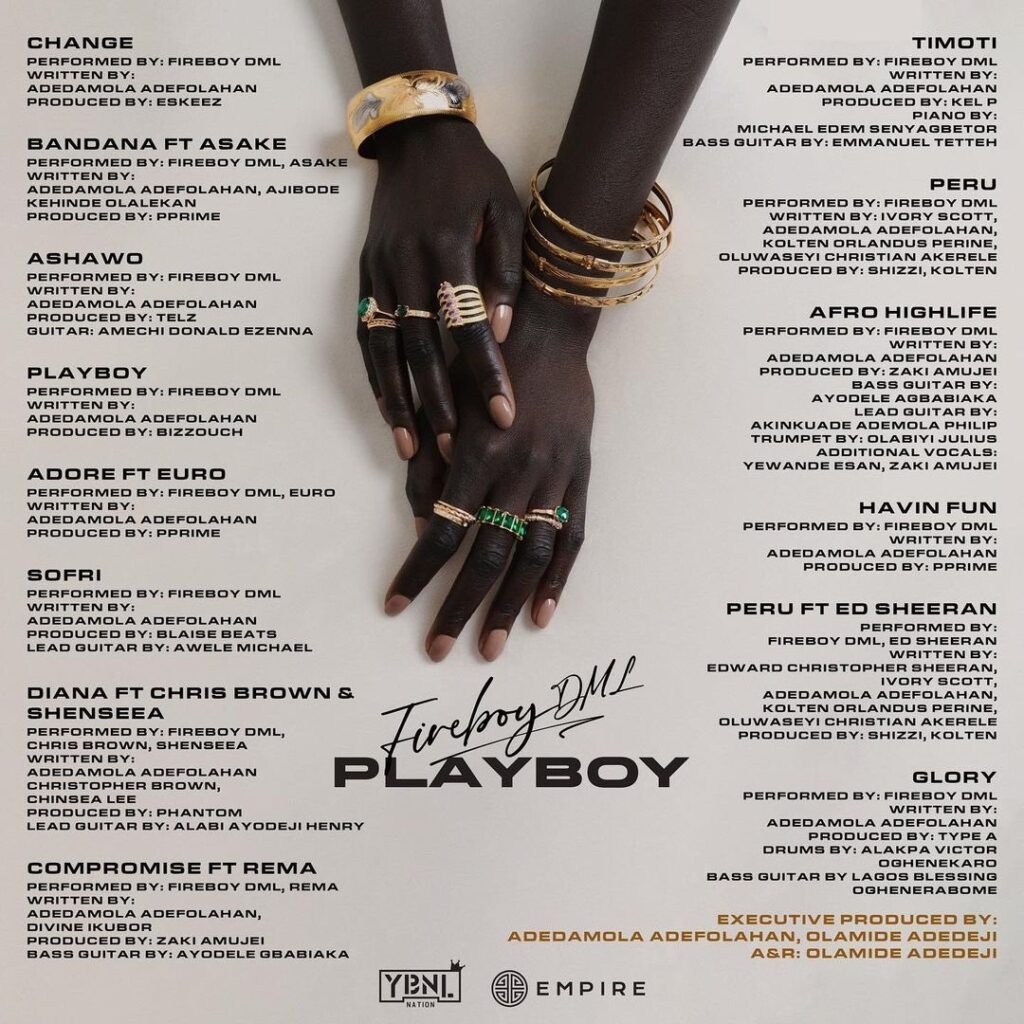
It is in fact a very fine line to walk because a diversity overdose could damage the album’s cohesiveness. Playboy by Fireboy DML is an album that does admirably well in this regard. Playboy aims to be a diverse showcase of sounds, which worked well in enhancing the album’s quality. This is in contrast to his previous albums, which had fewer producers and were more sonically cohesive as a result. Although it was not the most well-organized effort, neither the songs nor the transitions had the impression of being rushed.
Playboy had a large-scale production that aided its diversity theme, and like Boy Alone, it was the creation of many producers. Despite not being as unified as Omah Lay’s effort, it had tremendous vast production.
Excellent songwriting
Simply simply, good songwriting and solid execution are required for an album to be great. It doesn’t have to be the most complex and original writing; it only needs to be good enough for the songs and relevant to the genre. For instance, the most profoundly philosophical lyrics shouldn’t be used in a pop song. It is first and foremost a feel-good genre that should be groovy and entertaining. No matter how impressive the songwriting, it doesn’t work for it if it would hinder that.
Hip-Hop, of course, should have a more impressive songwriting structure overall because the beauty lies in the bars, punchlines, double/triple entendres, comical analogies, tight rhyme schemes, and so on and so forth. The R&B genre could benefit from more empirical songwriting because its core is primarily related to love stories. Songs of the same genre shouldn’t be approached in flows and rhymes in the same way; instead, great songwriting should be layered.
In terms of sheer technicality, Boy Alone and Bnxn’s Bad Since ’97 boasts some of the year’s most brilliant songs. The style of Fireboy DML in Playboy is more straightforward, yet it is very profound and features emotional and precise rhyme schemes. Although not very innovative, Asake’s MMWTV features some outstanding songwriting that successfully carries out its intended purpose.
Bnxn is one of the top songwriters among the current generation of performers, right up there with Omah Lay and Fireboy.
Great music ultimately aims to make listeners feel good because to its pleasing harmonies. Great songwriting with poor sonics and melodies would always lose out against simple songwriting with excellent sonics and melodies. Don’t get me wrong, amazing songwriting can be found on some of the best albums, and every artist should want to achieve that. However, such writing is useless if it cannot be used in relation to the music or if it takes precedence over other, more important matters.
Topical Advancement/Track Sequencing at its Best
First and foremost, what exactly is topical progression? It’s simply an album’s inherent quality to have a track-by-track progression that makes sense topically and isn’t scatterbrained. It doesn’t make sense, for example, for an album opener to have themes about the artist defying all odds and coming out strong, and then in the second track, they’re already talking about cowering under pressure.
Not every album will provide a straight-forward, linear narrative like a book. Some albums have so many facets and layers that several interpretations and stories can be derived from them. While others only have a hazy development of subjects and don’t actually attempt to tell a tale at all. Whatever the situation, the topical progression should be logical and seamless. This is when the subsequent, concurrent point of ideal track sequencing enters the picture.
The order of the songs on a great album is ideal, with the topics complementing one another both sonically and thematically from the first song to the last. This is one of the key differences between an album and a mixtape or playlist, which are typically essentially compilations of songs with no real connection to one another. When played alongside the rest of the album, pre-released singles from a fantastic album make even more sense because of the excellent track sequencing.
Albums that successfully meet the aforementioned criteria are immediately regarded as classics. While some albums gradually acquire their classic status as a result of both their endurance and innate greatness. However, it is a reality that an album that checks off all the necessary criteria encourages its longevity and replay value because it delivers an excellent listening experience at an exceptional value.
Made In Lagos achieved gold status in the US last month. It is the first album to accomplish this accomplishment by an African artist.
Some albums have earned the title of “classics” throughout time due to their influence. Made In Lagos by Wizkid is the classic illustration. The album is excellent and has aged well, but it isn’t quite of the “classic on arrival” caliber. The making of this claim does not negate the album’s deserving classic status. It simply implies that today’s standards for what constitutes a classic album are significantly more complex. As is practically any discussion of what makes a great album.
Recently, Wizkid’s song “Bad To Me” was released, and it quickly rose to the top spot on Apple Music, knocking Asake’s song “Organise” to number two.
A feat that Davido, Burna Boy, and other well-known artists were unable to accomplish when they released their own songs.
Asake’s “Organise” is back at number one right now, and it’s unfortunate that all of Davido’s fans are backing Asake only to put Wizkid in the doghouse.
Remember that when Davido released “Stand Strong,” it failed to stay at the top for one day.
At this point, I’ll put my pen down and invite other Wizkid fans to join me in celebrating our own Machala.
I’ll be waiting for Machala supporters and detractors in the comment area.
The excellent and Grammy-nominated fourth album from Wizkid, the pioneer of Afrobeats, can make you forget that the suave singer excels at getting the party started with passionate, fast-paced music. With songs like “Caro,” “African Bad Gyal,” and “Pakurumo,” Wizkid has dance floor fire whereas the majority of Suited in Lagos is made for slow whines and chilling out. In reality, his 2011 debut, Superstar, is an upbeat electronic track with an African edge that was probably influenced by EDM at the time.
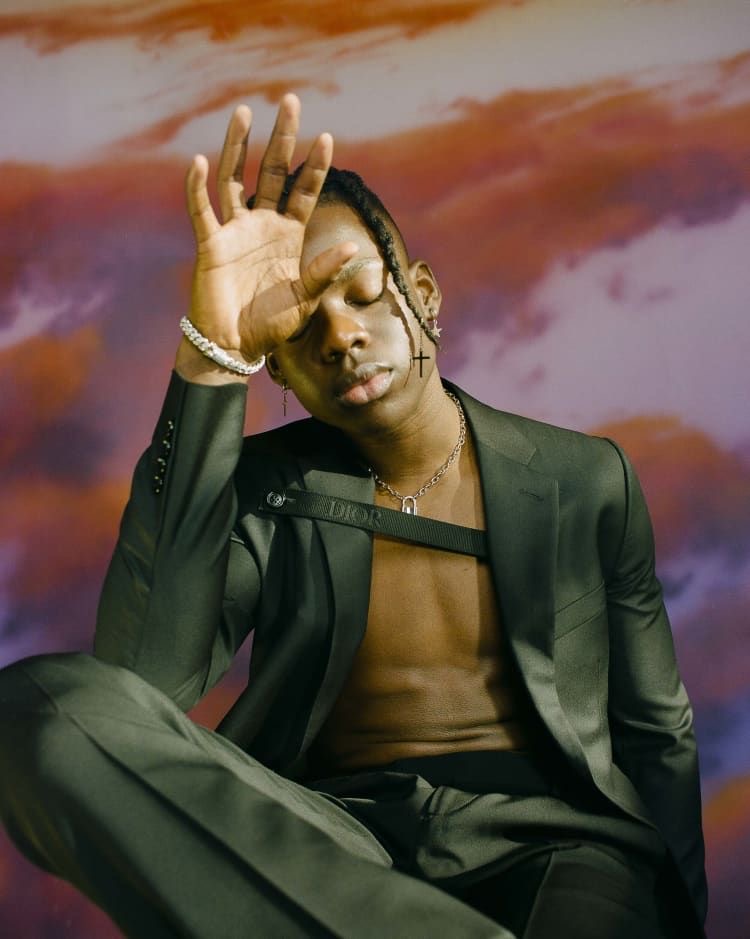
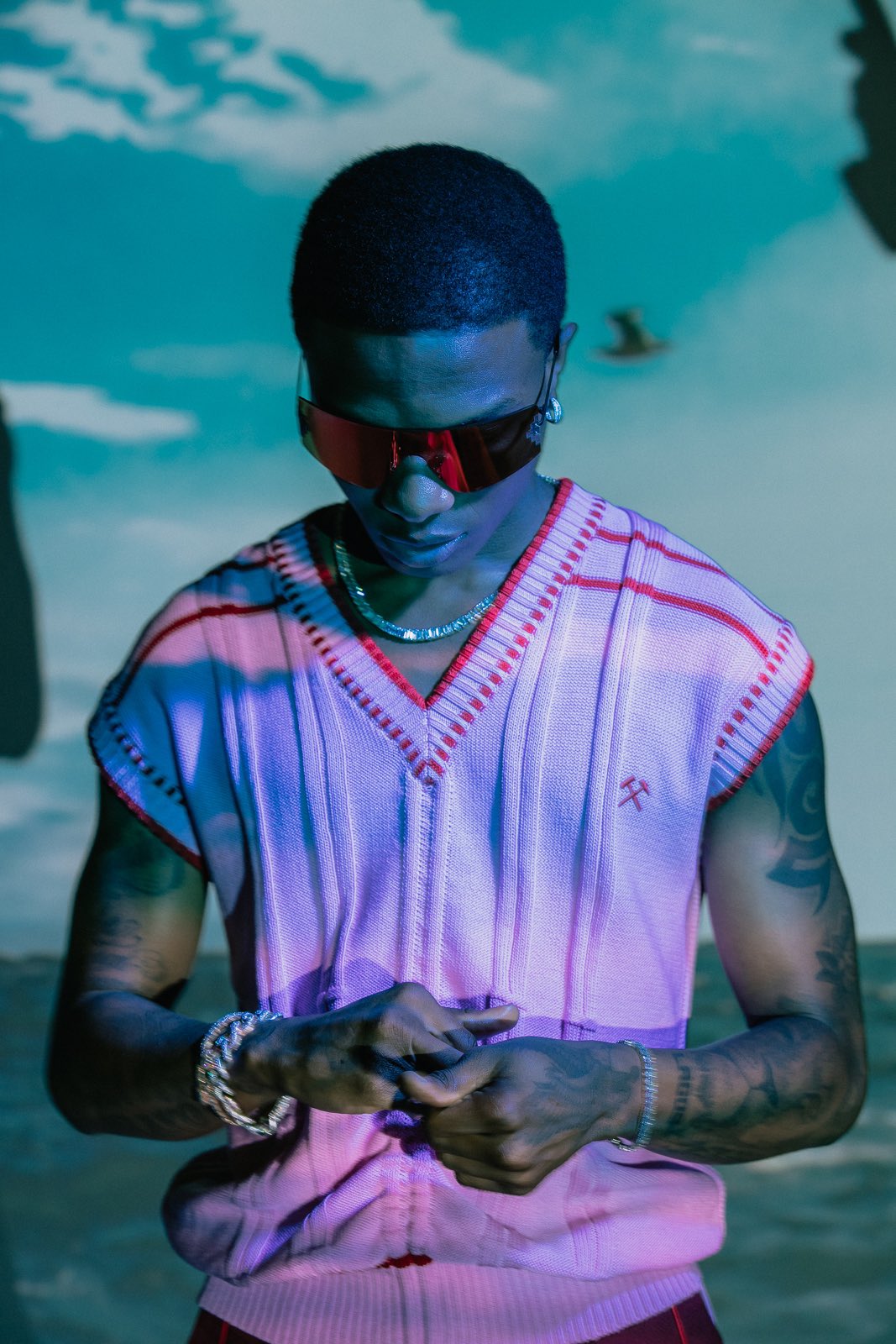
Wizkid. 📸: Nabil Elderkin
Wizkid attempts to break out of the recent beautiful and sensual rut he’s been in by tackling the dance sound that is beginning to characterize this era in African music: Amapiano, on his first release of 2022 as the lead artist. The song “Bad to Me” was produced by P2J (the executive producer of Made in Lagos and a go-to beat-maker for Afro-excellence for many stars). It starts off with a four-count that sounds a bit like Pharrell but soon transitions into electrifying percussion with shekere and deep drums. Bright keys add some romance to the song as Wizkid enters with his first stanza, honoring yet another awful gyal and her spinning figure: “This kind of body don dey cause a migraine,” he goes.
The gentle image Wizkid has been cultivating over the past few years is combined with this club-focused moment to create the instantly appealing “Bad to Me.” From the log drum to the call-and-response outro’s echo (a la Asake or “Finesse”), it is obvious that the Starboy team is aware of the trends in world music. The release of “Bad to Me” has sparked an internet discussion on the origins of South African style’s effect on Nigerian music, however many Afrobeats artists have been exploring Amapiano as well.
When a Davido fanatic attempted to discredit Wizkid’s work by claiming that it was the result of Davido’s forays into Amapiano (such as the remix of “Ke Star,” “Champion Sound,” and “Watawi” with South African star Focalistic), DJ Maphorisa, a major figure in the genre, referred them to his collaborations with Wizkid and Burna Boy with Kabza De Small on “Sponono Others have attempted to stake a claim for themselves and their favorite Nigerian artists’ works using Amapiano components after Maphorisa’s remarks. But rather than claiming ownership of the hybrids, Maphorisa’s reaction to the Davido fan seemed to promote a deeper understanding of them. “No one owns amapiano anyone can do it n win,” he wrote.
Wizkid’s MLLE (More Love Less Ego) Album Will Be Released On the 29th Of October, 2022.
With his “African Giant” album, Burna Boy sets a new record.
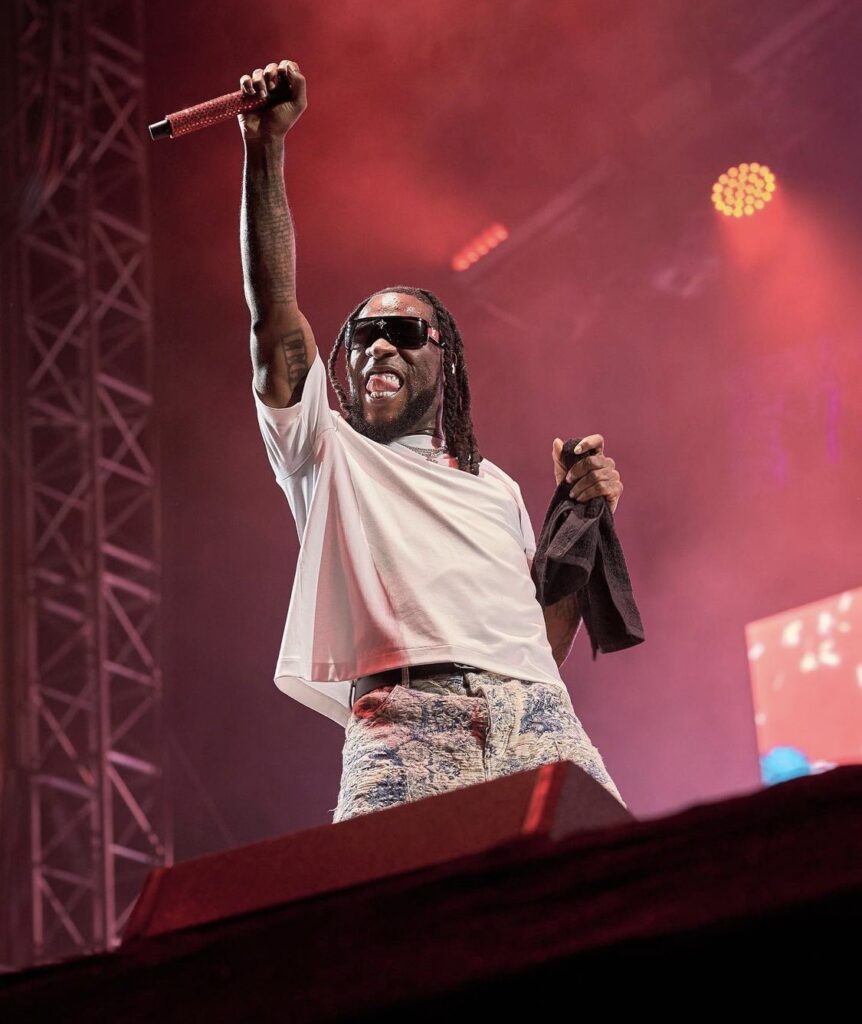
Burna Boy
Burna Boy comes to mind while discussing record-breakers.
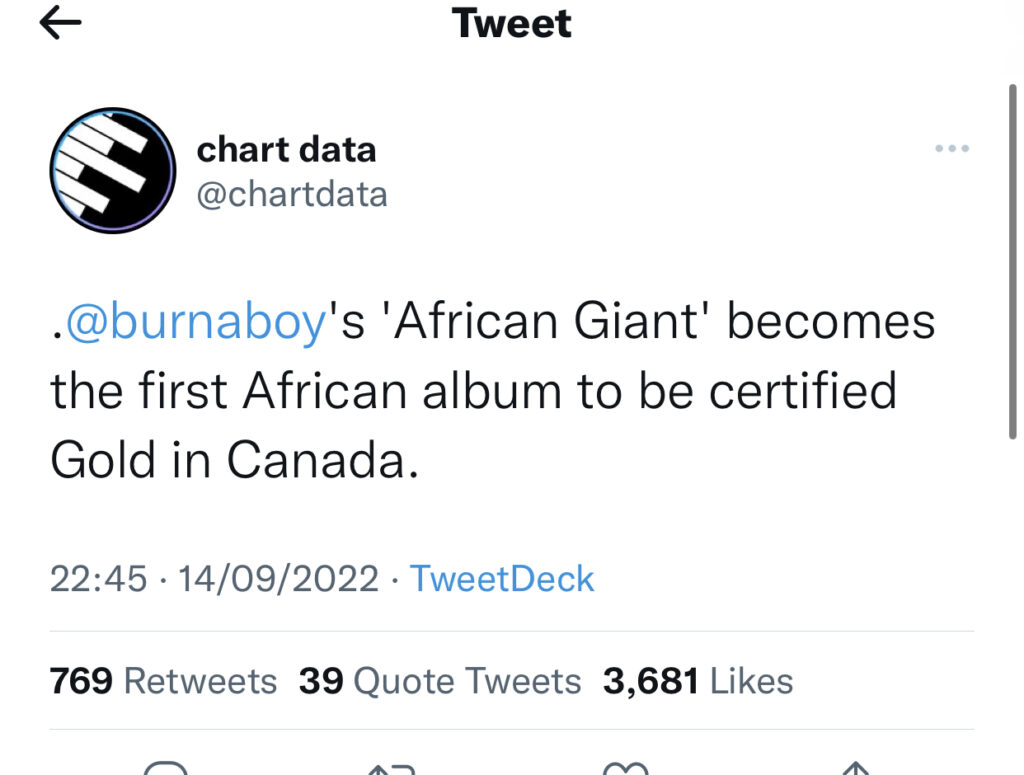
A new record was just set by the acclaimed album “African Giant” by the “Last Last” Crooner.
African Giant is now the first African album to receive a Gold certification from Canada.
Burna Boy, a singer from Nigeria, released his fourth studio album, African Giant. On July 26, 2019, Spaceship Entertainment, Bad Habit, Atlantic Records, and Warner Music published the album. Afrobeats, Afrobeat, dancehall, pop, and hip hop are all represented on the album.