
Categories
News

Ebola: WHO reveals why Nigeria must wait 42 days before being declared disease-free

Nigeria must complete 42 days of monitoring before it can be declared free of Ebola, the World Health Organisation (WHO) has said, despite the evacuation of the country’s confirmed patient to Switzerland.

The WHO’s Executive Director of the Health Emergencies Programme, Dr Chikwe Ihekweazu, disclosed this during an interview on Wednesday, October 28, 2026.

He explained that health authorities must monitor all 53 identified contacts of the patient for 21 days, followed by another 21-day period before Nigeria can be declared Ebola-free.

The development comes after the WHO Regional Director for Africa, Mohamed Janabi, announced that Nigeria currently had no active Ebola cases following the medical evacuation of the patient and her husband.

Why Nigeria must wait 42 days

Ihekweazu clarified that evacuating the patient did not mean Nigeria could immediately be declared free of the disease.

He said, “What it means still is that we have about 53 people, contacts, individuals with whom that individual had contact over the days that she was ill. And now we have to continue to follow each of them for 21 days and then require another 21 days, coming up to 42, in order to declare Nigeria Ebola-free.”

According to him, the monitoring period follows standard WHO protocols applied to similar incidents worldwide.

He also dismissed suggestions that the evacuation resulted from inadequate medical facilities in Nigeria, explaining that it was requested by the patient’s country of origin.

WHO commends Nigeria’s Ebola response

The WHO official praised Nigeria’s response, highlighting the speed of laboratory confirmation, sequencing and treatment.

Ihekweazu also said the organisation had not recommended restrictions on political rallies or other public gatherings.

He stressed that daily monitoring of identified contacts remained essential to detecting and containing any further transmission.

Nigeria’s Ebola surveillance will therefore continue until health authorities complete the required monitoring period and establish that no further transmission has occurred.
Categories
News

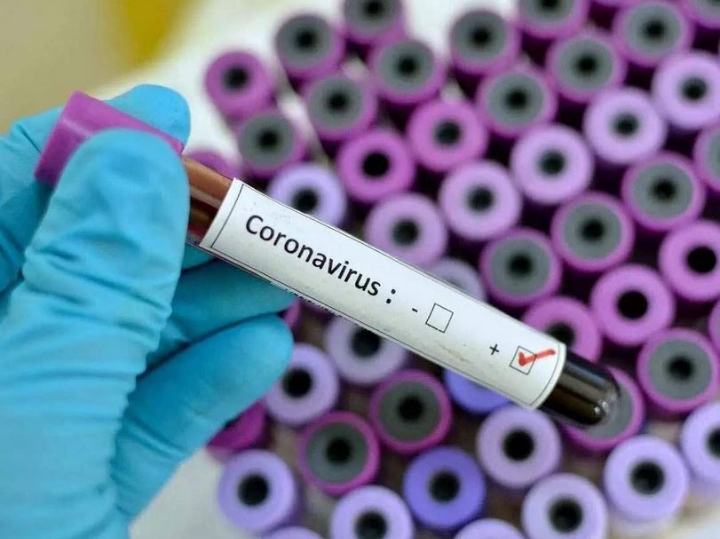
COVID-19 May End This Year – WHO

The World Health Organisation has predicted that the ravaging COVID-19 virus may likely end as a public health emergency in 2023.

The Director General of the Organisation, Dr. Tedros Ghebreyesus disclosed this at a virtual media briefing on Friday, March 17.

Recall that COVID-19 was declared a public health emergency of international concern on January 30, 2020, when there were fewer than 100 reported cases of COVID-19 outside China, and also no reported deaths outside the Communist country.

A public health emergency of international concern is the highest level of alarm that the WHO can sound under international law.

During the briefing, the WHO chief said there were now almost seven million reported deaths from COVID-19, although the actual number of deaths was much higher.

“We are certainly in a much better position now than we have been at any time during the pandemic. It’s very pleasing to see that for the first time, the weekly number of reported deaths in the past four weeks has been lower than when we first used the word ‘pandemic’ three years ago.

“I am confident that this year we will be able to say that COVID-19 is over as a public health emergency of international concern.

“We are not there yet. Last week, there were still more than five thousand reported deaths. That’s five thousand too many for a disease that can be prevented and treated. Even as we become increasingly hopeful about the end of the pandemic, the question of how it began remains unanswered,” he said.

Ghebreyesus urged China to be ‘transparent’ in sharing COVID-19 data in efforts to determine the disease’s origins.