Categories
News

Dangote Refinery Launches N739/litre Petrol Sale At MRS Stations Nationwide

The Dangote Petroleum Refinery has begun the nationwide sale of premium motor spirit (PMS), commonly known as petrol, at ₦739 per litre at all MRS Oil Nigeria Plc filling stations.

The refinery said the move marked a major milestone in its effort to make petrol more affordable and stabilise Nigeria’s downstream petroleum sector.

Dangote refinery stated that with more than 2,000 MRS outlets nationwide, the new pump price is expected to be implemented across all stations, ensuring consumers benefit from the reduction across the country.

In a statement on Sunday, Dangote Refinery said: “We commend MRS and other marketers who have demonstrated patriotism by reflecting the reduced price at the pump.

“We call on others to join this effort as a show of support for Nigeria’s economic recovery.”

The refinery noted that the festive season has historically been associated with fuel scarcity and sharp price increases, but said its intervention had altered the usual trend.

“Dangote Refinery has delivered a decisive market intervention—crashing pump prices at a time when Nigerians typically brace for hardship,” it said.


“Backed by a guaranteed daily supply of 50 million litres, this initiative fundamentally alters the supply dynamics during the holiday period.”

According to the refinery, large-scale local refining is helping Nigeria reduce its exposure to volatile global markets, conserve foreign exchange, stabilise the naira and strengthen energy security.

It added that sustained price moderation and steady supply were already providing relief to households, businesses and transport operators nationwide.

The company, however, warned against attempts by “unscrupulous” operators to create artificial scarcity in response to the price reduction.

“Any attempt to create artificial scarcity or manipulate supply to frustrate recent price reductions is unpatriotic and unacceptable,”
the statement read.

The refinery urged regulatory agencies to remain vigilant and take firm action against such practices, especially during the festive period.

Dangote refinery also called on consumers to avoid buying petrol at inflated prices when cheaper alternatives are available.

“We encourage Nigerians to avoid buying PMS at excessively high prices when they can access locally refined fuel at ₦739 per litre from over 2,000 MRS stations nationwide,”
 it said.

Consumers were advised to report any MRS station selling above the approved price by calling 0800 123 5264.

The refinery urged other petrol station operators to patronise its products so that the benefits of the price reduction could be extended nationwide.

Categories
News

Why Cement Is Cheaper Abroad Than In Nigeria – Dangote

Aliko Dangote, President of the Dangote Group, has attributed the higher cost of his company’s cement in Nigeria to steep taxes and heavy regulatory burdens, making it more expensive than in international markets.

Dangote said the price difference was largely due to multiple levies and charges imposed on local production.

According to Vanguard, the billionaire industrialist said exporting the product allows his company to avoid several taxes that significantly raise production costs at home.

He said the cumulative effect of taxes, fees and regulatory requirements within Nigeria adds substantially to the final retail price of cement.

He said: “When you look at my invoice, the cement I export is cheaper than the one I’m selling domestically, because that’s how exports work. In export I’m saving a lot of money, I’m not paying 30% income tax, I’m not paying 2%, education, I’m not paying 1% health, I’m not paying 7.5% VAT, and I’m not paying 10% withholding tax.

“So when you reduce all these taxes, I can afford to go and compete with the international market, with the likes of Turkey, Russia, and China.”

The billionaire industrialist has consistently stressed local manufacturing as a means of achieving economic self-sufficiency.

Categories
News

Popular Actor, James Ransone D!es By Su!cide

James Ransone, the American actor widely recognized for portraying Ziggy Sobotka in HBO’s The Wire, has passed away at the age of 46.

The Los Angeles County Medical Examiner has ruled his de@th a suicide by hanging.

Ransone’s career spanned film and television, with notable roles in Generation Kill, It: Chapter Two, The Black Phone, and Sinister.

Born on June 2, 1979, in Baltimore, Maryland, he is survived by his wife, Jamie McPhee, and their two children.

Ransone had openly discussed his struggles with addiction and trauma.

His passing has prompted tributes from fans and colleagues, highlighting his talent and impact on the industry.

Categories
News

Recalled Indomie Noodles Flavour Not In Nigerian Market — NAFDAC Says

The National Agency for Food and Drug Administration and Control (NAFDAC) has clarified that the recalled Indomie Noodles Vegetable Flavour, pulled by the French authority Rappel Conso due to undeclared allergens—specifically milk and eggs—did not originate from Nigeria.

NAFDAC, in a statement signed on Sunday by its Director-General, Prof. Mojisola Adeyeye, also said the product is not on sale in Nigeria, adding that surveillance has been directed across all zones and states to mop up the product if found in any jurisdiction.

The clarification followed public concern after news of the product recall surfaced online.

Recall that in 2023, Indomie Special Chicken Flavour was also implicated in an international food safety alert following concerns raised by health authorities in Taiwan and Malaysia.

At the time, NAFDAC ordered investigations and assured the public that all noodles produced in Nigeria were safe for consumption.

The Sunday statement noted, ”The management of the National Agency for Food and Drug Administration and Control (NAFDAC) is aware of the recall of Indomie Noodles Vegetable Flavour by the French authority (Rappel Conso of France) on account of the presence of undeclared allergens, specifically milk and eggs, which may pose significant health risks to consumers with allergies or intolerances.

“In light of this development, NAFDAC has undertaken some proactive measures as a responsive regulator by ensuring increased vigilance actions to guard against the possible entry of the recalled product into Nigeria.

“Surveillance has been directed across all zones and states, and zonal directors and state coordinators have been mandated to mop up the product if found within their jurisdictions.

“The public is hereby informed that the Indomie Noodles Vegetable Flavour in question is not registered with the National Agency for Food and Drug Administration and Control (NAFDAC) for sale in Nigeria.

“It is important to note that noodles are listed on the Import Prohibition List of the Federal Government of Nigeria, meaning their importation into the country is not allowed. This significantly reduces the likelihood of the affected product entering the Nigerian market.”

It added that Indomie Instant Noodles products, as well as other noodle brands registered by NAFDAC for sale in the Nigerian market, are manufactured locally in Nigeria and are only granted registration after a strict regulatory regime covering all aspects of Good Manufacturing Practice.

The agency noted that its Ports Inspection Directorate had also been placed on heightened alert to guard against the importation of the implicated product into the country.

“Consumers are strongly advised to exercise caution, discard the recalled product if found, and report any suspicion of its sale or distribution to the nearest NAFDAC office or call 0800-162-3322. Adverse events or side effects related to consumption should be reported via NAFDAC’s e-reporting platforms available on www.nafdac.gov.ng.

“NAFDAC wishes to reassure the public that the agency is proactive and remains alive to its responsibilities of safeguarding the health of the public, including Nigerians who may travel abroad or purchase products online. NAFDAC—safeguarding the health of the nation,” the statement added.

Categories
News

Dangote Threatens Kaduna Businessman, Kailani Mohammed With N100bn Lawsuit Over Alleged Defamation

The President of Dangote Group, Dr. Aliko Dangote, has given Kaduna-based businessman Kailani Mohammed a seven-day ultimatum to retract a libelous publication against him and his company, warning that failure to do so will result in a N100 billion lawsuit.

Dangote, in a letter to the businessman demanded immediate public explanation, retraction and unreserved apology from the Kaduna businessman for accusing him of engaging in an unclean business especially in 1980s in Port Harcourt, Rivers State.

Dangote’s letter was served on the Kaduna businessman by his lawyer Dr Ogwu James Onoja, a Senior Advocate of Nigeria of Onoja law firm in Abuja.

In the letter dated December 20, 2025, Dangote complained that the Kaduna businessman defamed him, lowered his reputation and tarnished his business engagements with the accusation that he engaged in unclean business in Port Harcourt and also queried his source of wealth as the richest man in Africa.

The offending remarks were said to have been made by Engr. Kailani Mohamed during an interview aired on Wednesday December 17th, 2025 on TrustTV news in reaction to his petition against Dr Farouk Ahmed submitted to independent Corrupt Practices and other Related Offences Commission ICPC.

The letter is titled “Demand for public explanation, retraction and unreserved public apology on your libelous publication against Alhaji  Aliko Dangote, GCON” and signed by Dr. Ogwu James Onoja SAN.

It read “We are solicitors to Alhaji Aliko Dangote and we write pursuant to his express instructions regarding grievously libelous statements broadcast by TrustTV news and uttered by you during an interview aired on Wednesday, 17th December, 2025 in reaction to the petition submitted by our client to Independent Corrupt Practices and other Related Offences Commission (ICPC).”

“Our client is a widely reputable international businessman. He is the richest black man on earth and he has the largest business conglomerate in Africa.

“Our client, through dint of hard work, integrity, diligent and perseverance over the years earned for himself the reputation and honour he is reckoned with all over the world.

“Our client’s attention has been drawn to statements made by you during the televised broadcast on TrustTV on the aforementioned date in reaction to our client’s petition submitted to Independent Corrupt Practices and the other Related Offences Commission (ICPC) to investigate and possibly prosecute Engr. Farouk Ahmad if found wanting, wherein you made false, reckless, malicious, scandalous and libelous publications concerning our client as a man that has monopolistic tendencies, corruptly enriched himself in business and engaged in economics cerbutach.

“Your statement also portrayed our client as a very cruel businessman whose stock in trade is vendetta and campaign of calumny to bring down others and exert monopolistic powers.

Among others you started as follows: “Can Dangote tell us the source of his money in the 80s when he was in Port Harcourt. Who is clean? Every time you want to monopolize, you bring allegations against people. Let him come and prove it. In the 80s we are aware of what happened in Port Harcourt and how he got his money. Nobody came out and said all these things”.


“These statements are false, scandalous and gravely deliberately impute unlawful or morally questionable conduct to our client and are calculated to expose him to public hatred, ridicule, suspicion and odium.

“By your reckless and unguarded defamatory statement and assertions, our client’s reputation has been greatly lowered in the sight of reasonable members of the International Community, including his business partners, associates and various governments of nations of the world where our client carries on business.

“Take Note that our client categorically states that at no time in his life has he carried out any business, commercial activity or wealth generating enterprise in Port Harcourt, whether in the 1980s or at any other period whatsoever as you alleged.

“Your assertion are therefore entirely fictitious, unfounded, malicious and without doubt, render you susceptible to both civil and criminal defematory action.

“In view of the gravity and depth of the allegations made by you against our client, you are hereby demanded to do the following within 7 days upon receipt of this letter:

“That you publicly explain on the same TrustTV platform and to the same audience, when, where and in what capacity our client was allegedly involved in any unclean activity or any activity whatsoever in Port Harcourt as claimed by you.

“That in the absence of verifiable facts capable of substantiating your assertions, you immediately and unequivocally retract the said statement in their entirety.

“That you issue a full, clear and unreserved public apology to our client which must be broadcast with equal prominence as your original publication.

“To pay our client the N100Bn only in damages for loss of reputation, character defamation and public redicule our client has been subjected to since the said statements were published.

“That you give a written undertaking to desist from making or publishing any further false or defamatory statements concerning our client.

“Be advised that allegations of this nature made without proof on a national media platform are indefensible in law and amount to a gross abuse of the right to freedom of expression which will culminate in both civil and criminal liability.

“Take further notice that should you fail to comply with the conditions stated above and within the time frame, our client shall, without further recourse to you, institute a legal action at a competent court of law against you and claim aggravated damages.

“This is without prejudice to our client’s right to make a formal report against you to the law enforcement agencies for your investigation and and prosecution for criminal defamation,”the letter said.

Categories
News

NAFDAC Declares Indomie Vegetable Flavour Unsafe, Orders Nationwide Recall

The National Agency for Food and Drug Administration and Control (NAFDAC) has cautioned Nigerians against consuming Indomie Noodles (Vegetable Flavour), declaring the product unsafe and ordering its immediate withdrawal nationwide following an international safety alert.

In Public Alert No. 041/2025, released on Friday, NAFDAC disclosed that France’s consumer protection body, Rappel Conso, initiated a recall of the vegetable-flavoured noodles after laboratory analysis revealed the presence of undeclared allergens.

The affected product was found to contain milk and eggs, which were not indicated on the label.

According to the agency, the omission poses serious health risks, particularly to individuals with allergies or food intolerances, as exposure could result in severe reactions.

The recall applies to all batches with a best-before date of 6 February 2026, though the alert did not state the product’s country of manufacture.

NAFDAC said the decision to issue the warning was based on precautionary public health considerations, stressing the potential danger the product presents to sensitive consumers.

While noting that the likelihood of the recalled noodles entering Nigeria remains minimal due to the Federal Government’s prohibition on noodle imports, the agency cautioned that unauthorized importation through online shopping platforms or personal travel remains possible.

To ensure the product does not circulate within the country, NAFDAC has instructed its zonal directors and state coordinators to intensify monitoring activities and promptly confiscate any of the affected noodles found in markets, storage facilities, or distribution outlets.

The agency also called on consumers, wholesalers, and retailers to remain alert throughout the food supply chain. Anyone who has the implicated Indomie Vegetable Flavour noodles has been advised to dispose of them immediately and avoid consumption.

Members of the public are encouraged to report any sightings to the nearest NAFDAC office or through the toll-free number 0800-162-3322.

NAFDAC further urged Nigerians to report any adverse health effects associated with the product using its official e-reporting platforms.

The development has renewed attention on food safety standards and the importance of strict regulatory enforcement, especially given the widespread consumption of instant noodles in Nigerian homes.

Categories
News

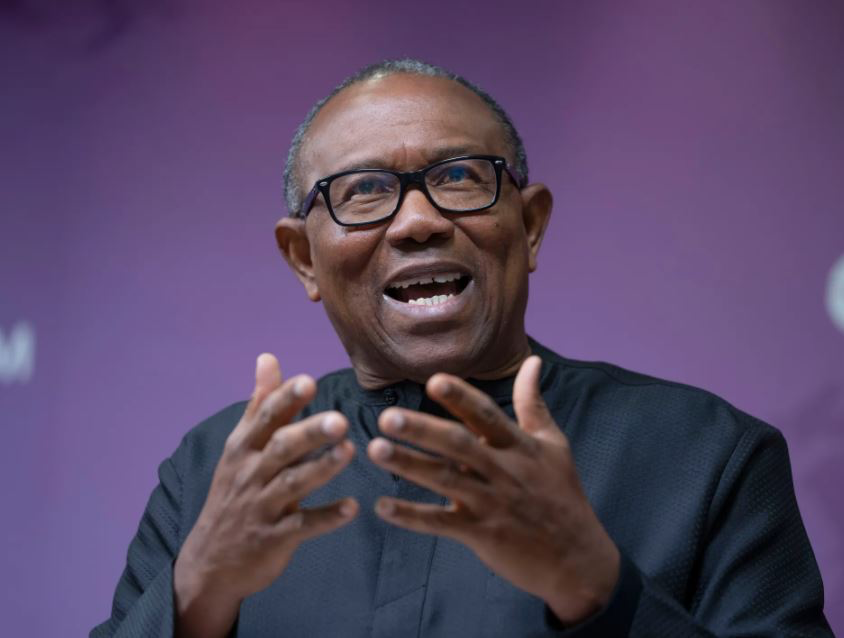
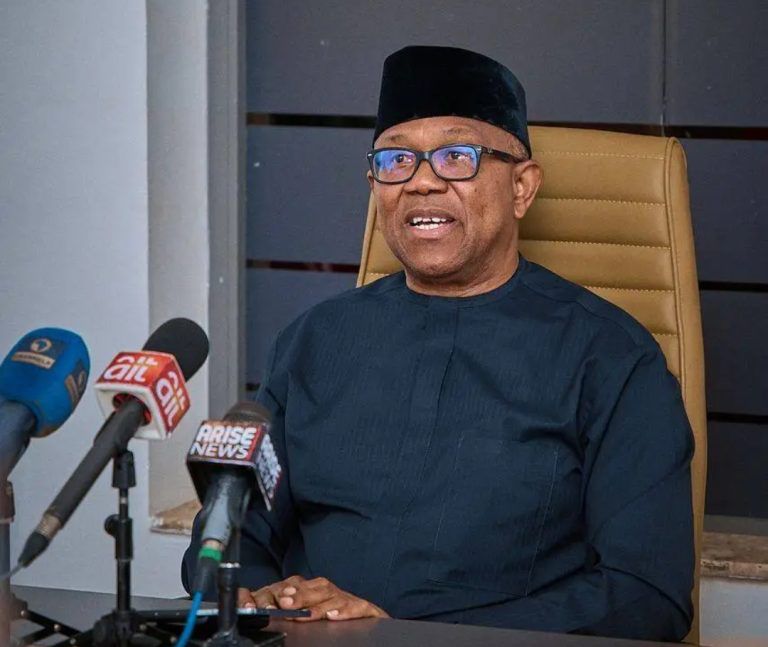
What I Told Inmates During My Visit To Anambra Prison – Peter Obi

The Labour Party’s presidential candidate, Peter Obi, has revealed that he visited the Anambra Correctional Centre to motivate inmates to pursue education and acquire relevant skills for self-improvement.

Obi stated this after visiting the correctional facility in Amawbia on Friday.

According to the former Anambra governor, imprisonment does not mark the end of a purposeful life.

He encouraged the inmates to view their current circumstances as an opportunity for personal reform, renewal, and preparation to rejoin society as responsible citizens who could contribute meaningfully to national development.

He said, “History shows that confinement does not always mark the end of a meaningful life,” he said. “Nelson Mandela, jailed for 27 years, emerged to lead South Africa and inspire the world; Malcolm X transformed himself in prison into one of the most influential voices of the civil rights movement; Martha Stewart, after serving a prison sentence, rebuilt her brand and returned to the heights of global business; and Frank Abagnale, once imprisoned for fraud, went on to work with the FBI and became a respected security consultant. These lives remind us that with reform, education, and opportunity, confinement can give way to contribution.”

It will be recalled that inmates in correctional centres across the state had earlier sent an emissary to Obi, appealing for assistance due to their inability to pay NECO examination fees. In response, Obi gave an undertaking to NECO to allow the inmates to sit for the examinations, a commitment he has now fully honoured.

On the occasion, it was revealed that the total payment, covering NECO examination fees and logistics for all eligible candidates across the four correctional centres in Anambra State, amounted to ₦4,741,400.

Categories
News

BREAKING: Nigerians, Others Stopped From Applying For Green Card, Citizenship In US — Report

The United States government has temporarily halted the processing of legal immigration applications from Nigerians and citizens of other countries recently added to the U.S. “travel ban” proclamation, CBC News reports.

The move mainly affects immigrants who hail from certain African and Asian countries, and it further escalates a wide-ranging crackdown on legal immigration expanded by the Trump administration this month.

Many of those affected by the pause are likely to be legal immigrants who are currently in the US and are seeking to change their status or become citizens.

Earlier in December, the Trump administration directed US Citizenship and Immigration Services to completely freeze all immigration petitions — including requests for American citizenship and permanent residency — made by those already in the US who are nationals of the 19 countries he banned or restricted travel from in June. That order is colloquially known as the “travel ban.”

It was one of several immigration restrictions the administration announced in the wake of the Thanksgiving week shooting of two National Guard soldiers in Washington, D.C., an attack allegedly carried out by an Afghan national.

The administration also suspended all decisions for asylum cases handled by USCIS and the processing of all immigration and visa requests by Afghans.

Also, on Tuesday, Trump expanded that “travel ban” proclamation to include 20 additional nations, fully barring immigrants and travellers from five new countries and partially restricting the entry of people from another 15 nations.

Speaking with CBS News on Friday, a US official who requested anonymity to discuss internal changes that have not been formally announced said UCIS has expanded its suspension of immigration cases to include the new nationalities added to Trump’s proclamation on Tuesday.

The pause will now affect nationals of Burkina Faso, Mali, Niger, South Sudan and Syria, the new countries facing full travel bans.

It will also impact those hailing from Angola, Antigua and Barbuda, Benin, Cote d’Ivoire, Dominica, Gabon, Gambia, Malawi, Mauritania, Nigeria, Senegal, Tanzania, Tonga, Zambia and Zimbabwe.

The last set of countries face partial restrictions under the latest proclamation.

Previously, the suspension of immigration cases applied to nationals of Afghanistan, Burundi, Chad, Cuba, the Republic of the Congo, Equatorial Guinea, Eritrea, Haiti, Iran, Libya, Laos, Myanmar, Sierra Leone, Somalia, Sudan, Togo, Turkmenistan, Yemen and Venezuela.

In his latest proclamation, Trump imposed a full entry ban on citizens of Laos and Sierra Leone, which previously faced partial restrictions.

In a statement posted on social media late Thursday, USCIS Director Joseph Edlow appeared to reference the expansion.

“USCIS is conducting a comprehensive review of anyone from anywhere who poses a threat to the US, including those identified in the President’s latest proclamation to restore law and order in our nation’s immigration system,”Edlow wrote.

Taken together, Trump’s latest “travel ban” decree affects nationals of over 60% of the countries in Africa and roughly 20% of all nations across the globe.

Trump has argued the broad restrictions are designed to safeguard national security and address concerns about the ability to vet people from the affected nations.

However, the decision has stirred conversations among Nigerians with many denouncing the move as unfair, and exaggerated, while largely dismissing the security and religious freedom concerns cited by Washington.

Commentaries stressed diplomatic embarrassment and potential economic harm, while disputing or downplaying the security rationale laid out by US officials who visited Nigerians.

Former senator, Shehu Sani, described the move as “a clear signal that migrants from developing countries are no longer welcome.”

Categories
News

We’ll Arm State Police, Forest Rangers To Defeat Terrorists, Bandits – Tinubu Vows

President Bola Tinubu, in his quest to end the decade-long security challenges in Nigeria, has declared that the operatives of the proposed state police would be well armed.

The president spoke during the All Progressives Congress, APC, National Executive Committee, NEC, meeting held on Friday at the State House Conference Centre, Abuja.

Tinubu also revealed plans to establish forest rangers, stating that they will also be equipped with arms to end terrorism and banditry in Nigeria.

He said, “We are going for state police. We will do forest rangers. We will arm them. We will defeat those terrorists and bandits, we must do that”.

Following the recent surge in killings and other activities of the criminal elements causing mayhem across the country, the president promised to establish local police in states.

Although there are some stakeholders who are still sceptical about the effectiveness of the state police owing to possible abuse by state governors, the National Assembly has also thrown its weight behind the establishment of the local force.

Categories
News

President Tinubu’s 2026 Budget Speech (Full Text)

On Thursday, President Bola Tinubu presented the 2026 Appropriation Bill to a joint session of the National Assembly, proposing a total budget of ₦58.46 trillion, including non-debt recurrent expenditure of ₦15.25 trillion.

In his address, the President fixed capital expenditure at N26.08 trillion and set the crude oil price benchmark for the fiscal year at US$64.85 per barrel.

Here is a full text of the President’s speech and a breakdown of the 2026 budget as released.

PROTOCOLS

Distinguished Senate President,

Rt. Honourable Speaker and Honourable Members of the House of Representatives,

Distinguished Senators and Honourable Members of the National Assembly,

Fellow Nigerians,

1. I appear before this Joint Session of the National Assembly, in fulfilment of my constitutional duty, to present the 2026 Appropriation Bill of the Federal Republic of Nigeria.

2. This is a defining moment in our national journey of reform and transformation. Over the last two and a half years, we made a deliberate choice: to confront long‑standing structural weaknesses, stabilize our economy, rebuild confidence, and lay a durable foundation for a more resilient, inclusive, and dynamic Nigeria.

3. These reforms were necessary — and they have not been painless. Families and businesses have faced pressure; established systems have been disrupted; and budget execution has been tested. I acknowledge these difficulties plainly, and I assure Nigerians that their sacrifices are not in vain. The path of reform is seldom smooth, but it is the surest route to lasting stability and shared prosperity.

4. Today, we come with a Budget that consolidates our gains, strengthens our resilience, and turns recovery into improved living standards for every Nigerian household.

THEME OF THE 2026 BUDGET

5. The 2026 Budget is themed: “Budget of Consolidation, Renewed Resilience and Shared Prosperity”. It reflects our determination to lock in macroeconomic stability, deepen competitiveness, and ensure that growth translates into decent jobs, rising incomes, and a better quality of life across our Federation.

ECONOMIC REALITIES: SIGNS OF STABILISATION, PURPOSE OF THE NEXT STEP

6. Mr. Chairman of this Joint Sitting, the 2026 Budget was prepared against an improving global outlook. Yet, our focus remains Nigeria: building a strong economy that works for our people.

7. I am encouraged that our reform efforts are already yielding measurable results:

Our economy grew by 3.98% in Q3 2025, higher than the 3.86% recorded in Q3 2024.

Inflation has moderated for eight consecutive months, with headline inflation declining to 14.45% in November 2025, from 24.23% in March 2025. With stabilising food and energy prices, tighter monetary conditions, and improving supply responses, we expect the disinflationary trend to persist—so that inflation continues to decline further over the 2026 horizon, barring major supply shocks.

Oil production has improved, supported by enhanced security, technology deployment, and sector reforms.

Non‑oil revenues have expanded significantly through better tax administration —not excessive taxation.

Investor confidence is returning, reflected in capital inflows, renewed project financing, and stronger private‑sector participation.

Our external reserves rose to a 7‑year high of about US$47 billion as at 14 November 2025, providing more than 10 months of import cover and a stronger buffer against shocks.

8. These outcomes are not accidental. They reflect difficult but deliberate policy choices. Our task now is to consolidate these gains—so that stability becomes prosperity, and prosperity becomes shared prosperity.

2025 BUDGET PERFORMANCE: LESSONS, ACCOUNTABILITY, AND EXECUTION

9. Distinguished Members, our 2025 budget implementation faced the realities of transition and competing execution demands. As at Q3 2025, we recorded:

N18.6 trillion in revenue—representing 61% of our target; and

N24.66 trillion in expenditure—representing 60% of our target.

10. Following the extension of the 2024 capital budget execution to December 2025, a total of N2.23 trillion was released for the implementation of 2024 capital projects as at June 2025.

11. While fiscal challenges persisted, the government met its key obligations. However, only N3.10 trillion—about 17.7% of the 2025 capital budget—was released as at Q3, reflecting the emphasis on completing priority 2024 capital projects during the transition period.

12. Let me be clear: 2026 will be a year of stronger discipline in budget execution. I have issued directives to the Honourable Minister of Finance and Coordinating Minister of the Economy, the Honourable Minister of Budget and Economic Planning, the Accountant‑General of the Federation, and the Director‑General of the Budget Office of the Federation to ensure that the 2026 Budget is implemented strictly in line with the appropriated details and timelines.

13. We expect improved revenue performance through the new National Tax Acts and the ongoing reforms in the oil and gas sector—reforms designed not merely to raise revenue, but to drive transparency, efficiency, fairness, and long‑term value in our fiscal architecture.

14. I will also be unequivocal about Government‑Owned Enterprises. Heads of all GOEs are hereby directed to meet their assigned revenue targets. To support this, we will deploy end‑to‑end digitisation of revenue mobilisation—standardised e‑collections, interoperable payment rails, automated reconciliation, data‑driven risk profiling, and real‑time performance dashboards—so leakages are sealed, compliance is verifiable, and remittances are prompt. These targets will form core components of performance evaluations and institutional scorecards. Nigeria can no longer afford leakages, inefficiencies, or underperformance in strategic agencies. Every institution must play its part.

PHILOSOPHY AND OBJECTIVES OF THE 2026 BUDGET

15. Mr. Chairman and fellow Nigerians, the 2026 Budget is guided by four clear objectives:

One, consolidate macroeconomic stability;

Two, improve the business and investment environment;

Three, promote job‑rich growth and reduce poverty; and

Four, strengthen human capital while protecting the vulnerable.

16. In short: we will spend with purpose, manage debt with discipline, and pursue growth that is broad‑based — not narrow — and sustainable — not temporary.

2026 BUDGET OVERVIEW: THE FISCAL FRAMEWORK

17. Distinguished Members, the 2026 Federal Budget is anchored on realism, prudence, and growth orientation.

18. The key aggregates are as follows:

Expected total revenue: N34.33 trillion.

Projected total expenditure: N58.18 trillion, including N15.52 trillion for debt servicing.

Recurrent (non‑debt) expenditure: N15.25 trillion.

Capital expenditure: N26.08 trillion.

Budget deficit: N23.85 trillion, representing 4.28% of GDP.

19. These numbers are not just accounting lines. They are a statement of national priorities. We remain firmly committed to fiscal sustainability, debt transparency, and value‑for‑money spending.

20. The 2026–2028 Medium‑Term Expenditure Framework and Fiscal Strategy Paper sets the parameters for this Budget. Our projections are based on:

a conservative crude oil benchmark of US$64.85 per barrel;

crude oil production of 1.84 million barrels per day; and

an exchange rate of ₦1,400 to the US Dollar for the 2026 fiscal year.

21. We will continue to reduce waste, strengthen controls, and ensure that every naira borrowed or spent delivers measurable public value — especially in infrastructure, human capital, and security.

PRIORITIES AND ALLOCATIONS: SECURITY, PEOPLE, PRODUCTIVITY

22. Our allocations reflect the Renewed Hope Agenda and the practical needs of Nigerians. Key sectoral provisions include:

Defence and Security: N5.41 trillion

Infrastructure: N3.56 trillion

Education: N3.52 trillion

Health: N2.48 trillion

23. These priorities are interlinked. Without security, investment will not thrive. Without educated and healthy citizens, productivity will not rise. Without infrastructure, jobs and enterprise will not scale. This is why the Budget is designed as one coherent programme of national renewal.

24. Security remains the foundation of development. The 2026 Budget strengthens support for:

modernisation of the Armed Forces;

intelligence‑driven policing and joint operations;

border security and technology‑enabled surveillance; and

community‑based peacebuilding and conflict prevention.

25. We will invest in security with clear accountability for outcomes—because security spending must deliver security results. To secure our country, our priority will remain on increasing the fighting capability of our armed forces and other security agencies by boosting personnel and procuring cutting-edge platforms and other hardware. We are also pursuing a new era of criminal justice system to stamp out terrorism, banditry, kidnapping for ransom and other violent crimes. Our administration is resetting the national security architecture and establishing a new national counterterrorism doctrine—a holistic redesign anchored on unified command, intelligence, community stability, and counter-insurgency. This new doctrine will fundamentally change how we confront terrorism and other violent crimes that have become existential threats to our corporate survival and have heightened anxiety among our people.

Henceforth, and under this new architecture, any armed group or gun-wielding non-state actors operating outside state authority will be regarded as terrorists. These include bandits, militias, armed gangs, criminal networks with weapons, armed robbers, violent cult groups, forest-based armed collectives, and foreign-linked mercenaries. Groups or individuals conducting violence for political, ethnic, financial, or sectarian objectives are also classified as terrorists.  Members of any group extorting communities, kidnapping civilians, occupying or seeking to occupy territory within Nigeria will be classified as terrorists. The denominator is that if you wield lethal weapons and act outside the state’s authority, you are a terrorist. Any individual or entity that enables the listed groups as financiers, money handlers, harbourers, informants, ransom facilitators, and negotiators will also be classified as terrorists. Political protectors and intermediaries, transporters, arms suppliers, and safe-house owners will be declared as terrorists.  Politicians, traditional rulers, community leaders, and religious leaders who facilitate and encourage violent actions and terror within Nigeria and against our citizens are also terrorists.

26. No nation can grow beyond the quality of its people. The 2026 Budget strengthens investments in education, skills, healthcare, and social protection.

27. In education, we are expanding access to higher education through the Nigerian Education Loan Fund. Over 418,000 students have been supported, in partnership with 229 tertiary institutions nationwide.

28. In healthcare, I am pleased to highlight that investment in healthcare is 6% of total budget size, net of liabilities.

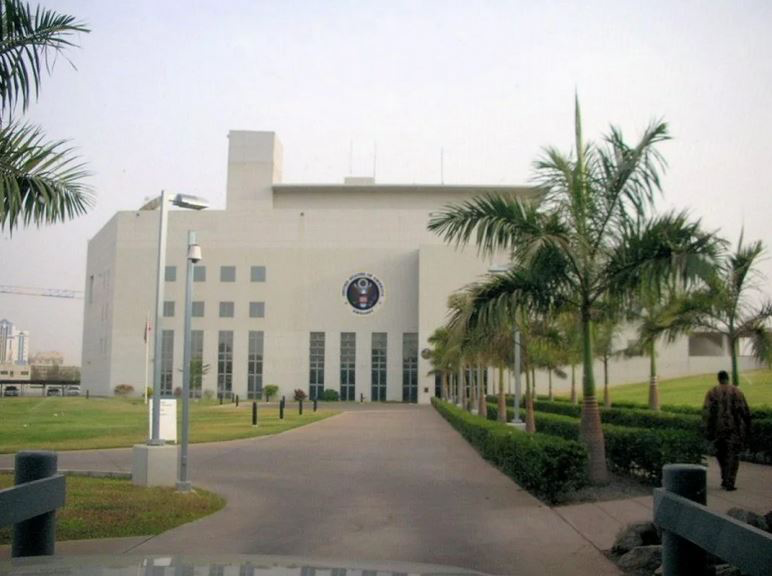
29. We also appreciate the support of international partners. Recent high‑level engagements with the Government of the United States have opened the door to over US$500 million in grant funding for targeted health interventions across Nigeria. We welcome this partnership and assure Nigerians that these resources will be deployed transparently and effectively.

30. Across the nation, projects under the Renewed Hope Agenda are moving from vision to reality—transport and energy infrastructure, port modernisation, agricultural reforms, and strategic investments that unlock private capital.

31. We will take decisive steps to strengthen agricultural markets. Food security is national security. The 2026 Budget prioritises input financing and mechanisation; irrigation and climate‑resilient agriculture; storage and processing; and agro‑value chains.

32. These measures will reduce post‑harvest losses, improve incomes for smallholders, deepen agro‑industrialisation, and build a more resilient, diversified economy.

DELIVERY, DISCIPLINE, AND NATIONAL COMPACT

33. Distinguished Members and fellow Nigerians, the greatest budget is not the one we announce. It is the one we deliver.

34. Therefore, 2026 will be guided by three practical commitments:

Better revenue mobilisation through efficiency, transparency, and compliance—especially from GOEs and improved oil and gas sector governance.

Better spending: prioritising projects that can be completed, measured, and felt by citizens.

Better accountability: strengthening procurement discipline, monitoring, and reporting—so Nigerians can see what their money is funding.

35. This is how we will build trust: by matching our words with results, and our allocations with outcomes.

CONCLUSION: A BUDGET THAT BELONGS TO ALL OF US

36. Distinguished Members of the National Assembly, fellow Nigerians, the 2026 Budget is not a budget of promises; it is a Budget of Consolidation, Renewed Resilience and Shared Prosperity. It builds on the reforms of the past two and a half years, addresses emerging challenges, and sets a clear path towards a more secure, more competitive, more equitable, and more hopeful Nigeria.

37. I commend the understanding, sacrifice, and resilience of our people. My administration remains committed to easing the burdens of transition and ensuring that the benefits of reform reach households and communities across the Federation.

38. With unity of purpose between the Executive and the Legislature—and with the resilience of the Nigerian people—we will deliver the full promise of the Renewed Hope Agenda.

39. It is with great pleasure, therefore, that I lay before this distinguished Joint Session of the National Assembly the 2026 Appropriation Bill of the Federal Republic of Nigeria, titled: “Budget of Consolidation, Renewed Resilience and Shared Prosperity”.

May God bless the Federal Republic of Nigeria.