Categories
News

“Naira vs Dollar: Calm at ₦1,360… But Black Market Surge Signals Brewing Storm

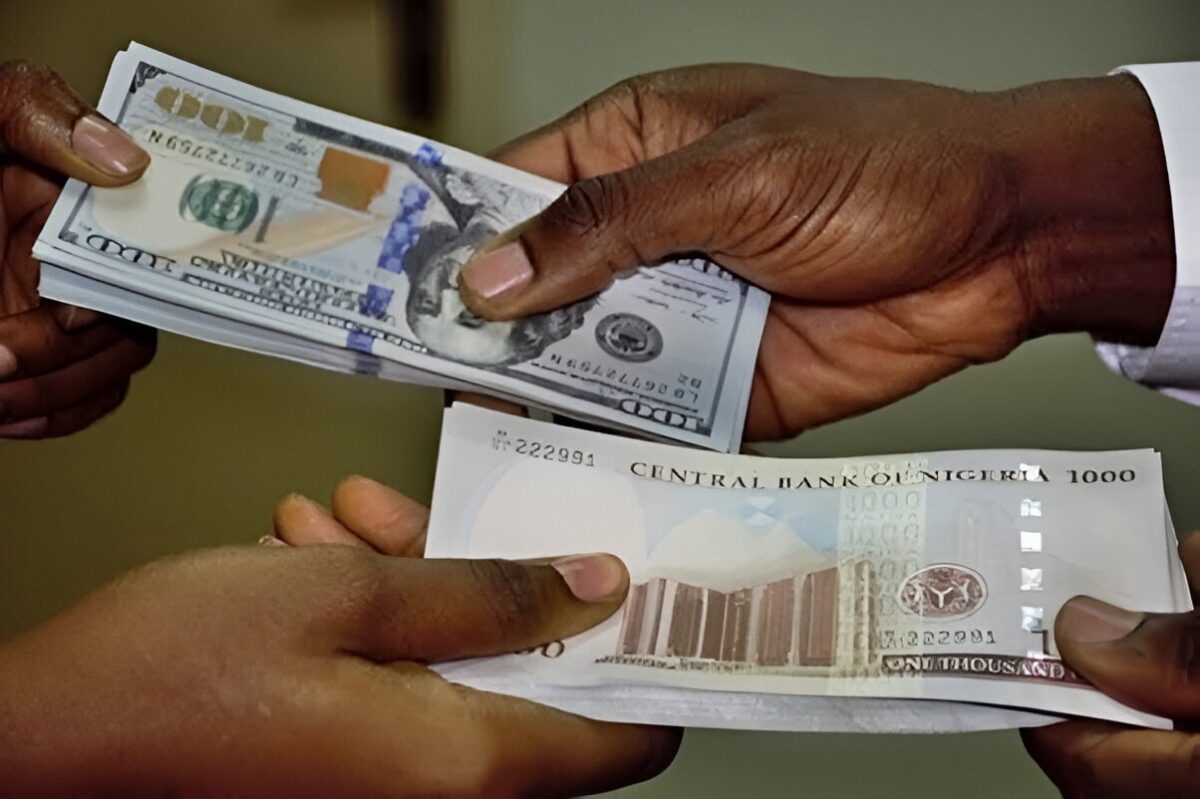
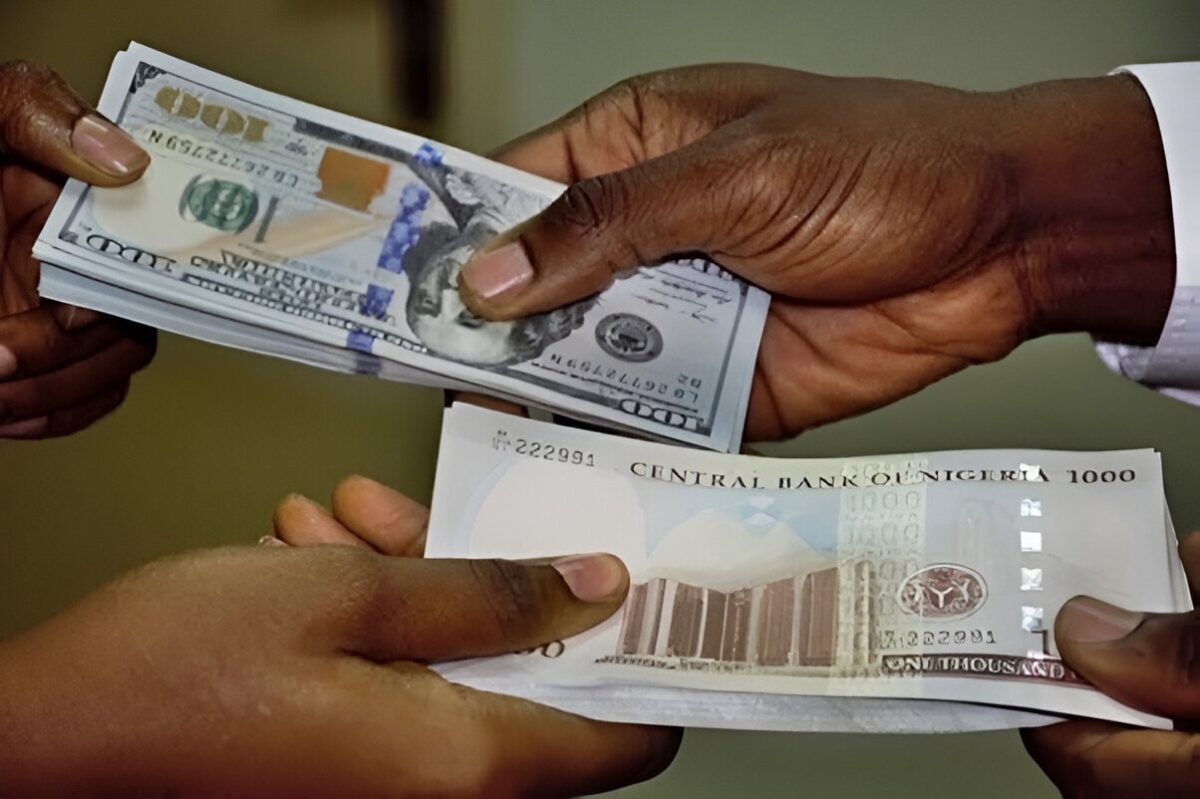
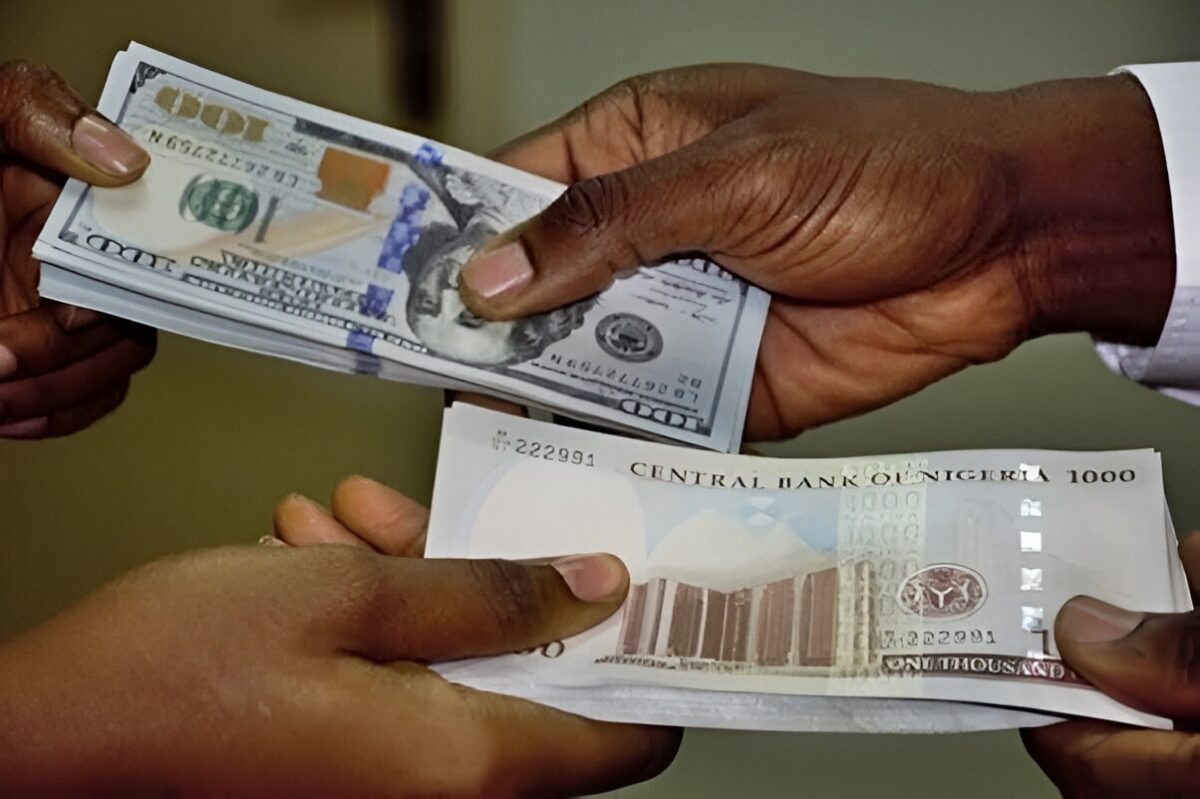
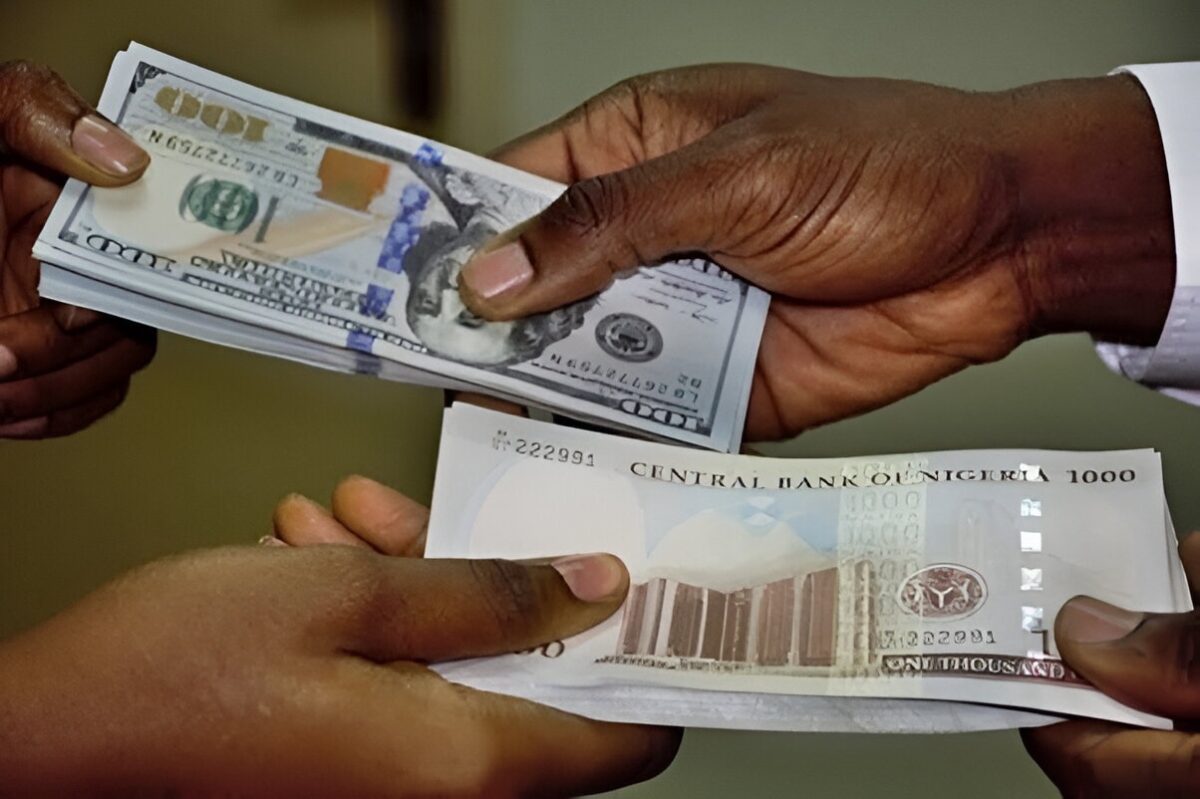
As the market opened for trading today, Tuesday, April 28, 2026, the Nigerian Naira remained stable but cautious in relation to the US dollar. Localized variations in liquidity are being seen by financial analysts in both the parallel market segments and the official Nigerian Foreign Exchange Market (NFEM).

Activity in the Official Market (NFEM)

The Naira demonstrated strength in the early trading hours of the official session, trading at about 1,360.19 NGN per USD. As the FMDQ Securities Exchange tracks continuing transactions by institutional buyers and sellers, there has been a trend of small modifications.

Since the market started, the rate has fluctuated somewhat, going from its starting price of 1,359.23 NGN to its present level as supply and demand forces work to reach a daily balance.

The Central Bank of Nigeria continues to monitor the official window closely, ensuring that the transparency of the “willing buyer, willing seller” model supports price discovery while mitigating drastic shocks to the local currency.

Concurrent Market Trends

Due to the immediate retail demand for the US dollar, the unofficial parallel market is still operating at a premium. Currency dealers are putting the dollar between 1,480 and 1,495 NGN in key cities including Lagos, Kano, and Port Harcourt.

Economic watchers continue to focus on the difference between the NFEM and the parallel market since it frequently reveals the degree of unmet demand in the official sectors. The main forces behind the current activity in the informal sector this morning, according to traders in the parallel market, are individual travelers and small-scale imports.

Factors Influencing the Current Rate

A number of important macroeconomic issues are influencing the performance of the market today. Global oil prices continue to be a major factor, supplying the foreign cash reserves required to sustain the Naira. Seasonal demand for overseas payments and the clearing of corporate foreign exchange backlogs also influence internal market liquidity.

Unless there is a major intervention or a change in the mindset of the global market, participants anticipate that the market will stay within the present range as the day goes on. In order to determine the Naira’s final performance for the midweek trading period, stakeholders are urged to monitor the closing rates later today.

Categories
News

Naira Slips Again Amid Rising Dollar Demand and Forex Shortage

Early on Thursday, April 23, 2026, the Nigerian Naira showed a minor weakening versus the US dollar on both the official and unofficial foreign currency markets. As midweek demand for the US dollar continues to impact rate stability, financial professionals are closely monitoring the market.
Performance of the Official Market (NFEM)

The Naira began trading on the Nigerian Foreign Exchange Market (NFEM) with a little decline. The Naira is now trading at an average of 1,351.59 NGN per 1 USD, according to real-time data from the FMDQ Securities Exchange.

When compared to the opening prices recorded earlier in the week, when the currency had found support close to the 1,347 NGN level, this indicates a slight fall.

Market turnover at the official window remains a key point of focus for investors, as the Central Bank of Nigeria (CBN) maintains its policy of managed float to curb excessive volatility while ensuring essential sectors have access to foreign currency.

Parallel Market Trends

In comparison to the official rate, the informal or parallel market still trades at a substantial premium. The dollar is being exchanged at prices between 1,465 and 1,480 NGN, according to early morning reports from Bureau De Change (BDC) operators in major hubs like Lagos (Ikeja and Broad Street), Abuja (Wuse Zone 4), and Kano.

Experts explain the present 113 Naira disparity between the NFEM and the parallel market to the unfulfilled demand from small-scale importers and people looking for personal travel allowances (PTA), who frequently find the official channels more restrictive.

Economic Factors and Outlook

The persistent demand for the dollar to meet international trade obligations and pay off foreign debt is a major factor in the current pressure on the naira. Furthermore, the strength of the country’s external reserves is still determined by the recent changes in the price of oil, which is Nigeria’s main source of foreign money.

Participants anticipate that the rate will level off as the trading session moves into the afternoon, but any major intervention from the top bank or changes in market liquidity could affect the day’s closing numbers. It is recommended that market observers keep an eye on official closing data to get a complete picture of the day’s performance.

Categories
News

Naira’s Winning Streak, Why Dollar Is Quietly Losing Its Grip This April

On Tuesday, April 21, 2026, the Nigerian Naira continued to gain ground in the foreign exchange market as trading began with an emphasis on reducing the difference between official and informal values. The local currency continues to benefit from consistent control within the official window and a balanced supply of foreign money after a comparatively stable start to the week.

During early morning operations, the Naira was quoted at an average rate of 1345.47 per dollar on the Nigerian Foreign Exchange Market (NFEM). This reflects a marginal appreciation compared to the closing figures of the previous session. Market data indicates that the Naira touched a brief high of 1345.87 before settling, as interbank turnover remains healthy.

The continued stability in the official window is largely credited to the Central Bank’s ongoing commitment to a transparent price discovery process and sufficient liquidity for eligible transactions.

This comparatively quiet tendency has been reflected in the parallel market. Major trading centers in Lagos, Port Harcourt, and Kano, the Dollar is being exchanged at rates ranging between 1390 and 1405 per Dollar. While the black market still carries a premium, the volatility that once characterized this segment has notably subsided, providing a more predictable environment for retail buyers and small-scale importers who rely on informal channels.

According to financial analysts, higher dollar inflows from foreign portfolio investors and favorable perceptions of Nigeria’s external reserves are the causes of the present market behavior. Monetary authorities continue to prioritize rate convergence, and the market appears to be heading toward a more cohesive structure based on current performance.

Today’s rates suggest a prolonged period of consolidation for the general population and corporate community. While the global strengthening of the U.S. Dollar remains a factor to watch, the local market’s ability to absorb demand without significant spikes provides a layer of confidence for economic planning as the third week of April unfolds.

Categories
News

Naira Gains Muscle: Dollar Crashes To N1,344 As CBN Moves To Crush Black Market Gap

The Nigerian Naira strengthened to approximately N1,344 per dollar in the official market on April 16, 2026, driven by increased foreign inflows and Central Bank of Nigeria reforms. In the early hours of Thursday, April 16, 2026, the Nigerian Naira showed a firming trend against the US dollar as strategic policy actions and greater market supply continued to impact currency valuations.

The Naira began the session with a significant increase in value on the Nigerian Foreign Exchange Market (NFEM), the official window for currency transactions, trading at approximately N1,344.20 per Dollar. Real-time data from the morning sessions showed the currency maintaining a stable range, hitting an early high of N1,343.83 before settling near the N1,344 mark. This positive movement is being attributed by analysts to improved foreign currency inflows and the Central Bank of Nigeria’s consistent efforts to clear the backlog of foreign exchange demands.

In the side market, commonly referred to as the black market, the exchange rate also reflected a slight cooling of pressure. Reports from currency dealers in major hubs like Lagos, Abuja, and Port Harcourt indicate that the Dollar is currently trading between N1,455 and N1,480. While the informal sector continues to demand a premium due to retail and small-scale business needs, the gap between the official and parallel rates has shown signs of narrowing compared to earlier in the week.

According to financial experts, the mood of the market is currently upbeat, bolstered by recent economic reforms aimed at stabilizing the local currency. However, they remain cautious, noting that the demand for the Dollar for international education, travel, and seasonal imports remains a key variable for the remainder of the month.

Trading activity has been orderly as of 7:00 AM WAT, with participants keeping a careful eye on the mid-day fixing for more signs on the currency’s short-term direction.

Categories
News

Naira to Dollar rate today Monday, April 6, 2026

The Nigerian Naira opened the week on a steady note, holding firm against the United States Dollar at about ₦1,377.80 in early trading on Monday, April 6, 2026.

The stable start reflects continued confidence in recent reforms and tight monetary measures introduced by the Central Bank of Nigeria.

Data from the official market showed only slight movements compared to last week’s closing rate of ₦1,380.79, suggesting the Naira remains relatively resilient despite global Dollar strength.

Official Market Shows Stability

At the Nigerian Foreign Exchange Market, trading activity remained calm, with the local currency hovering close to the ₦1,380 range.

Analysts say improved transparency from the Electronic Foreign Exchange Matching System has played a key role in keeping rates stable.

The system has strengthened price discovery and boosted investor confidence, helping the market avoid sharp swings often seen in previous months.

Parallel Market Holds Firm

In the informal segment, the Naira also showed little change. Currency traders across major commercial centres quoted the Dollar between ₦1,405 and ₦1,415.

Although the gap between official and parallel market rates stands at around ₦32, it remains significantly narrower than past levels.

Experts attribute this to better coordination between regulators and Bureau De Change operators, which has reduced speculative pressure.

Key Factors Driving the Market

Several economic forces continue to shape the direction of the Naira:

Nigeria’s external reserves remain under close watch. After dipping due to recent debt payments, reserves are projected to rise from about $49.29 billion to over $51 billion, supported by oil earnings and foreign inflows.

The Monetary Policy Committee has retained interest rates at 26.5%, a move aimed at curbing inflation and attracting foreign investors into Naira assets.

In addition, reforms in the remittance space have increased foreign currency inflows, as more diaspora funds are now routed through official banking channels.

Outlook for the Week

Market watchers expect the Naira to trade within the ₦1,370 to ₦1,390 band in the official window in the near term.

Attention will remain on foreign inflows, reserve growth, and global oil prices, particularly Bonny Light crude, which continues to trade at favourable levels.

Investors are also anticipating possible policy signals from the Central Bank that could further stabilise the market and reduce the gap between exchange rate segments.

Categories
News

Naira Strengthens To N1,355 Per Dollar

The naira continued its upward trend on Monday, rising to N1,355/$ at the official foreign exchange market, up from N1,363.5/$ on Friday.

Data from the Central Bank of Nigeria indicates that the local currency has maintained a steady recovery trend in recent days, supported by relatively stable market conditions, Channels reports.

Monday’s gain marks the naira’s strongest performance since February 23, 2026, when it closed at N1,353.5/$.

Market figures show that the currency appreciated to N1,390.5/$ on Tuesday before strengthening further to N1,373.5/$ on Wednesday.

It continued the positive trend on Thursday at N1,370/$ and improved to N1,363.5/$ by Friday, before extending the rally on Monday.

During Monday’s trading session, the naira fluctuated between N1,365.35/$ and N1,354/$, reflecting relatively stable intraday activity.

Global factors also shaped market sentiment, as investors tracked movements in the U.S. dollar alongside geopolitical tensions involving Iran and their potential impact on global energy markets.

In early Asian trading, the euro slipped by 0.12 per cent to $1.1492, while the British pound declined by 0.1 per cent to $1.33.

The dollar index, however, remained largely unchanged at 99.913.

The Australian dollar also weakened slightly ahead of a key interest rate decision by the country’s central bank, adding to cautious sentiment in global markets.

The apex bank noted that Nigeria’s improving external reserve position could help stabilise the naira against sustained pressure.

Net foreign exchange reserves rose to $34.80 billion at the end of 2025, while gross external reserves increased to $50.45 billion as of February 2026, driven by stronger oil earnings and higher foreign inflows.

The CBN Governor, Olayemi Cardoso, said ongoing monetary and foreign exchange reforms are aimed at boosting investor confidence and enhancing market liquidity.

According to projections in the bank’s 2026 macroeconomic outlook, Nigeria’s external reserves could rise further to $51.04 billion, largely supported by improved oil revenues.

Categories
News

Naira Rises To N1,490/$ In Parallel Market

The naira strengthened yesterday, appreciating to ₦1,490 per dollar in the parallel market from ₦1,495 per dollar on Monday.

Likewise, the naira appreciated to N1,420 per dollar in the Nigerian Foreign Exchange Market, NFEM.

Data from the Central Bank of Nigeria, CBN, showed that the indicative exchange rate for the naira fell to N1,420 per dollar from N1,420.5 per dollar on Monday, reflecting a 50 kobo appreciation for the naira.

Consequently, the margin between the parallel and official markets narrowed to N70 per dollar from N74.5 per dollar on Monday.

Categories
News

Naira Appreciates To N1,530/$ In Parallel Market

The Naira strengthened in the parallel market yesterday, rising to N1,530 per dollar from Wednesday’s rate of N1,537 per dollar.

Likewise the Naira appreciated to N1,490 per dollar in the Nigerian Foreign Exchange Market (NFEM).

Data published by the Central Bank of Nigeria, CBN, showed that the exchange rate for the naira fell to N1,490 per dollar from N1,498 per dollar on Wednesday, indicating N8 appreciation for the naira.

Consequently, the margin between the parallel market and NFEM rate widened to N40 per dollar from N39 per dollar on Wednesday.

Categories
News

Naira Down To N1,540 In Parallel Market

The Naira fell to N1,540 per dollar in the parallel market yesterday, down from N1,525 per dollar on Tuesday.

But the Naira appreciated to N1,502.5 per dollar in the Nigerian Foreign Exchange Market (NFEM).

Data published by the Central Bank of Nigeria, CBN, showed that the exchange rate fell to N1,502.5 per dollar from N1,506.5 per dollar yesterday, indicating N6.5 appreciation for the naira.

Consequently, the margin between the parallel market and NFEM rate expanded to N37.5 per dollar from N18.5 per dollar on Tuesday.

Categories
News

Naira Slides To N1,550/$ In Parallel Market

The Naira weakened further on Tuesday, August 26, closing at N1,550 per dollar in the parallel market, compared to N1,540 per dollar on Monday.

In the Nigerian Foreign Exchange Market (NFEM), the local currency also weakened slightly to N1,537 per dollar, compared to N1,536.99 per dollar the previous day, according to data from the Central Bank of Nigeria (CBN).

This depreciation widened the gap between the official and parallel market rates to N13 per dollar, a sharp increase from N3.01 recorded on Monday.

The currency’s drop reflects sustained pressure from high demand for foreign exchange amid limited dollar supply, a challenge that has persisted despite ongoing CBN interventions and recent policy reforms aimed at stabilizing the market.

Analysts warn that without a significant boost in forex inflows and improved investor confidence, the Naira could face further volatility in the coming weeks.